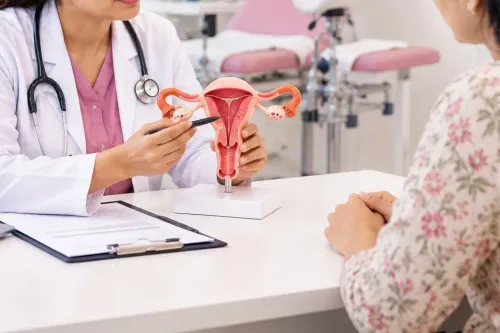
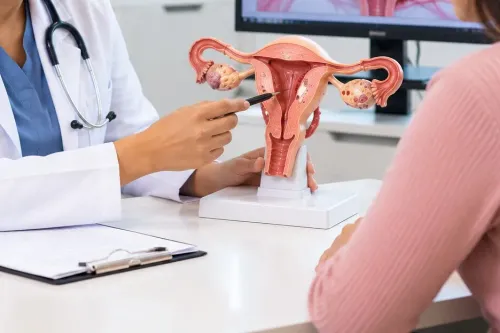
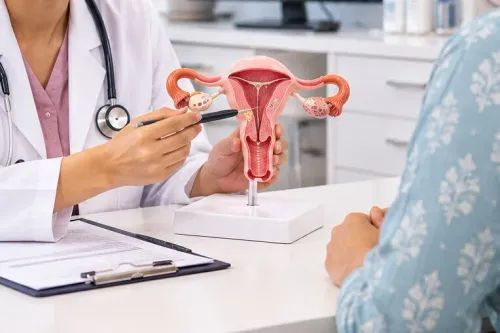
Vaginal discomfort is a common concern for women of all ages, yet many hesitate to seek medical advice due to embarrassment or the belief that symptoms will resolve on their own. While some mild infections improve with appropriate treatment, recurring or untreated infections can affect comfort, reproductive health, and overall well-being. Consulting a Vaginal Infection Treatment Doctor in Thane helps identify the exact cause of symptoms and ensures the most appropriate treatment.
Because different infections produce similar symptoms, self-diagnosis or repeated use of over-the-counter medicines may delay proper care.
What Causes Vaginal Infections?
The vagina naturally contains beneficial bacteria that help maintain a healthy environment. When this balance changes, infections may develop.
Common causes include:
- Fungal infections (yeast infections)
- Bacterial vaginosis
- Certain sexually transmitted infections
- Hormonal changes
- Poor genital hygiene
- Uncontrolled diabetes
- Pregnancy-related changes
- Long-term antibiotic use
Accurate diagnosis is important because each condition requires a different treatment approach.
Common Symptoms
Women may experience one or more of the following:
- Unusual vaginal discharge
- Persistent itching
- Burning sensation
- Unpleasant odor
- Pain during urination
- Pain during intercourse
- Redness or irritation around the vaginal area
Symptoms may vary depending on the type of infection and its severity.
When Should You Visit a Doctor?
Medical evaluation is recommended if:
- Symptoms persist for more than a few days.
- The infection keeps returning.
- You experience severe pain.
- There is blood-stained discharge unrelated to menstruation.
- You develop fever or lower abdominal pain.
- You are pregnant and notice unusual discharge.
Prompt treatment helps prevent complications and relieves symptoms more effectively.
How Are Vaginal Infections Diagnosed?
Your gynecologist may recommend:
- Detailed symptom review
- Medical history
- Pelvic examination
- Vaginal swab when required
- Urine examination if urinary symptoms are present
Laboratory testing helps identify the exact organism causing the infection, allowing targeted treatment.
Treatment Options
Treatment depends entirely on the underlying cause.
Management may include:
- Antifungal medications
- Antibiotics for bacterial infections
- Antiviral treatment when indicated
- Medicines to relieve itching or irritation
- Advice on maintaining vaginal health
Completing the prescribed course of treatment is important, even if symptoms improve early.
Tips to Reduce the Risk of Future Infections
Healthy daily habits can support vaginal health.
Consider the following:
- Wear breathable cotton underwear.
- Avoid unnecessary use of scented intimate products.
- Maintain good personal hygiene.
- Change out of wet clothing promptly.
- Control blood sugar if you have diabetes.
- Avoid self-medicating without professional advice.
- Attend regular gynecological check-ups.
Simple preventive measures can reduce the likelihood of recurrent infections.
Can Vaginal Infections Affect Pregnancy?
Certain untreated infections during pregnancy may increase the risk of complications. Pregnant women should always seek medical advice rather than attempting self-treatment.
Early diagnosis allows safe treatment options that protect both mother and baby.
Women's Healthcare in Thane
Women in Thane, Maharashtra, increasingly recognize the importance of seeking timely gynecological care for symptoms that may initially seem minor. At Eva Bloom Clinic, patients receive confidential evaluation, accurate diagnosis, and personalized treatment plans based on the specific cause of the infection, helping restore comfort while supporting long-term reproductive health.
Frequently Asked Questions
Can vaginal infections go away without treatment?
Some mild infections may improve, but many require medical treatment to prevent recurrence or complications.
Is every vaginal discharge abnormal?
No. Normal discharge varies during the menstrual cycle. Persistent changes in color, odor, or consistency should be evaluated.
Can my partner also require treatment?
Depending on the type of infection, your doctor may advise evaluation or treatment for your partner.
How can I prevent recurring infections?
Maintaining good hygiene, managing underlying health conditions, avoiding unnecessary antibiotics, and attending regular gynecological check-ups can help reduce recurrence.
Vaginal infections are common and treatable when diagnosed correctly. Seeking timely medical care ensures appropriate treatment, faster symptom relief, and better long-term reproductive health while helping prevent repeated infections in the future.
Keywords