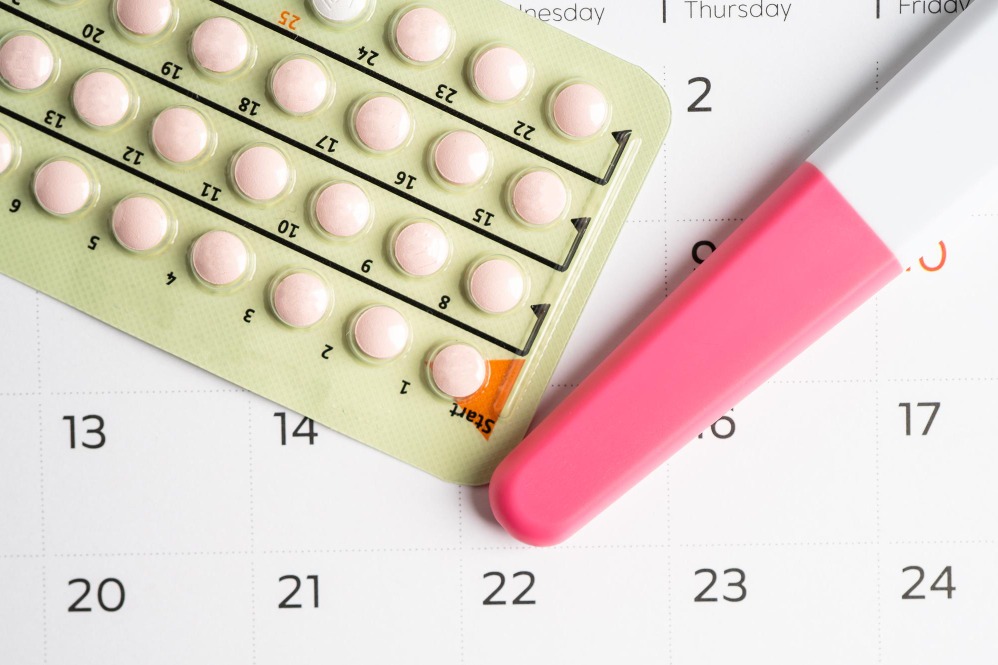
There is no single contraceptive method that is ideal for every woman or couple. The right choice depends on pregnancy plans, health history, menstrual preferences, convenience, effectiveness and whether protection against sexually transmitted infections is also needed.
Women seeking Contraception Advice in Thane can benefit from comparing options according to these factors rather than choosing a method solely because it worked well for someone else.
Start With Your Pregnancy Plans
One of the first questions is how soon you might want a pregnancy.
Someone seeking contraception for a short period may have different priorities from a woman who wants reliable protection for several years. Women who have completed their families may also want to discuss permanent options.
Most reversible methods allow fertility to return after discontinuation, although the timing can vary according to the method.
Understand the Main Categories
Contraceptive options broadly include barrier, hormonal, intrauterine and permanent methods.
Intrauterine contraceptive devices can provide long-term reversible contraception. Hormonal and non-hormonal types are available, and they can affect menstrual bleeding differently.
Other hormonal options may also be appropriate depending on availability, health factors and individual preference.
Permanent contraception is intended for people who are confident they do not want future pregnancies and therefore requires careful decision-making.
Effectiveness Is Only Part of the Decision
A method can be highly effective in theory but less suitable if it is difficult for the individual to use consistently.
Ask yourself:
- Do I want a daily method?
- Would I prefer something that requires little ongoing action?
- Are lighter periods important to me?
- Do I have heavy or painful menstruation?
- Do I plan pregnancy within the next few years?
- Do I need protection against sexually transmitted infections?
- Do I have medical conditions that affect which methods I can use?
These questions make contraceptive selection more personal and practical.
Medical History Matters
Certain contraceptive choices require consideration of blood pressure, smoking, migraine history, blood-clot risk and other medical factors.
Women should mention all relevant medical conditions and medications during a contraception consultation.
Age alone does not determine the correct contraceptive method, but age combined with other risk factors can influence which options are suitable.
What About Emergency Contraception?
Emergency contraception is intended for situations such as unprotected intercourse or contraceptive failure.
Options are time-sensitive, so advice should be obtained promptly. Emergency contraception should not be confused with a regular long-term contraception plan.
If unprotected intercourse also creates a potential sexually transmitted infection risk, that concern should be addressed separately.
Review Your Method When Circumstances Change
A contraceptive method that suited someone at 24 may not necessarily remain the best choice at 34 or 44.
Pregnancy plans, medical conditions, menstrual patterns and personal preferences can all change. Contraception can therefore be reviewed periodically rather than treated as a permanent decision.
Women in Thane and surrounding parts of Maharashtra can discuss these factors during routine gynecological care.
At Eva Bloom Clinic, contraception counselling can take into account reproductive plans, menstrual concerns and individual medical history before suitable options are discussed.
The best contraceptive decision is an informed one. Instead of asking which method is universally 'best,' consider which safe and effective option fits your health, lifestyle and plans for future pregnancy. That approach makes contraception easier to use consistently and more appropriate for your current stage of life.
Keywords