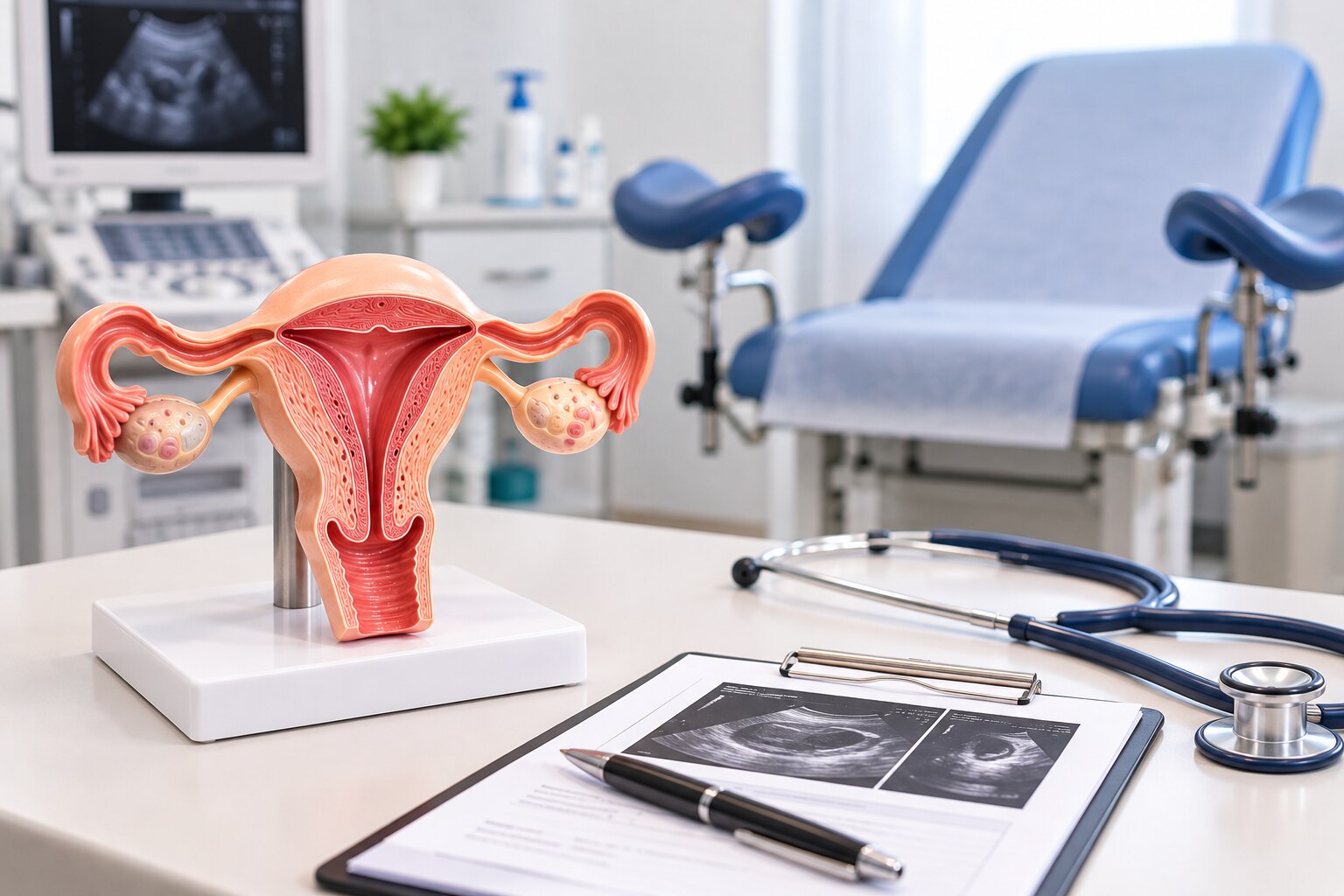
Pelvic pain can come from the reproductive, urinary, digestive, muscular or nervous systems, so a useful appointment does more than order one scan. You will learn what information to bring, which examinations and tests may be offered, when symptoms need urgent hospital care, and how follow-up treatment is selected.
Key takeaways
- Record when pain began, its location, severity, pattern and triggers.
- Bring medication details, menstrual dates, past reports and relevant surgery history.
- Ask which examinations require consent and whether a support person can stay.
- Seek urgent care for severe sudden pain, fainting, heavy bleeding or fever.
What the first pelvic pain consultation asks about
The clinician first needs to know whether your pain is sudden and acute or persistent and recurrent. During a pelvic pain treatment in Thane consultation, explain when it began, where you feel it, how severe it is, and whether it is constant, intermittent or cyclical.
1. Describe whether the pain is one-sided or central, and whether periods, sex, urination, bowel movements, walking or lifting trigger it.
2. Report bleeding between periods, unusually heavy bleeding, unusual discharge, fever, nausea, constipation, diarrhoea, painful bowel movements, urinary burning or frequency.
3. Mention pregnancy possibility, your last menstrual period, contraception, previous pregnancies, childbirth, miscarriages, infections, operations and any prior diagnosis such as endometriosis, fibroids or ovarian cysts.
4. Bring your medicine list, including painkillers, hormonal treatment, antibiotics and supplements. Include allergies and treatments that failed or caused side effects.
5. Explain sexual pain precisely: pain at entry or deep penetration, dryness, bleeding, involuntary muscle tightening, infection concerns, relationship safety or previous trauma. You can request a female clinician, a chaperone and an explanation before any examination.
Bring previous ultrasound reports, scans, blood-test results and surgery notes rather than relying on memory. Tell the clinician about back, hip, abdominal-wall or pelvic-floor pain, because pelvic symptoms can involve urinary, bowel, muscular, nerve-related and gynaecological causes. You can also say if you do not consent to an internal examination; it is not automatically required.
Which examinations and tests may be part of the evaluation
A pelvic pain evaluation in Thane starts with an examination chosen for your symptoms, not a fixed testing panel. The clinician may examine your abdomen for tenderness, guarding, swelling or a palpable mass, then assess posture, hips, lower back, abdominal-wall trigger points and pelvic-floor tenderness or spasm.
An external or internal pelvic examination is not automatic. The clinician should explain its purpose, obtain your consent, offer a chaperone and stop if you withdraw consent. A pelvic-floor assessment can identify overactive muscles that maintain pain even when imaging is normal; repeatedly strengthening those muscles can worsen symptoms in some patients.
Tests depend on the history and examination:
| Test or examination | What it can investigate | When it may be used |
|---|---|---|
| Urine test | Urinary infection, blood or other urinary clues | Burning, frequency, urgency or bladder-related pain |
| Pregnancy test | Pregnancy-related causes, including ectopic pregnancy risk | Any possibility of pregnancy |
| Blood count or inflammatory markers | Anaemia or inflammation | Fever, heavy bleeding, marked tenderness or suspected infection |
| Vaginal or cervical sample | Vaginal or cervical infection | Discharge, odour, bleeding or infection symptoms |
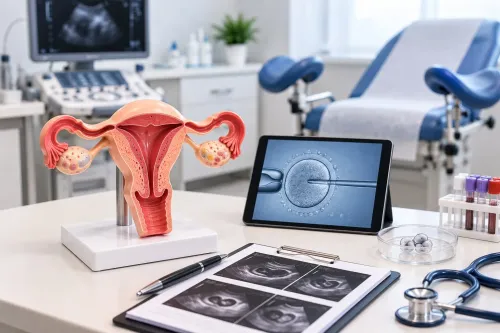
| Pelvic ultrasound | Ovarian cysts, fibroids, adenomyosis or other structural findings | Suspected pelvic-organ cause or persistent symptoms |
A normal ultrasound does not rule out every cause, including some endometriosis or pelvic-floor pain. If examination findings suggest a bowel, bladder, muscular or nerve-related cause, your clinician may arrange targeted referral or further testing rather than repeating scans.
How to prepare for testing, examination and privacy decisions
Bring your previous ultrasound or scan reports, surgery notes, medicine list and allergy details. Write down when the pain occurs, its severity, period timing, bleeding changes, urinary or bowel symptoms, sexual pain and the date of your last period.
Tell the clinic if pregnancy is possible, and ask whether you need a full bladder for an ultrasound or any other preparation.
- Wear clothing that is easy to remove and bring a sanitary pad if bleeding is possible after an examination. Normal washing is enough; do not douche or use vaginal products before the visit.
- Tell the clinician about previous trauma, pain with penetration, anxiety, or a preference for a female clinician. You can request a chaperone, ask for an explanation before each step and bring a trusted support person if the clinic permits it.
- During an internal examination, the clinician explains the reason, obtains your consent and gives you privacy to undress behind a drape. You lie on an examination bed; a speculum may be used to view the vagina and cervix, followed by a gentle finger examination if needed.
- You can ask to pause or stop at any time. An internal examination is not automatic, and withdrawing consent means the examination must end.
At a female pelvic pain clinic in Thane, discuss alternatives if you decline an internal examination, including an abdominal examination, urine testing or imaging. Ask what information each test is intended to provide.
How a pelvic pain doctor separates routine symptoms from urgent problems
A pelvic pain doctor in Thane first decides whether pain is acute, persistent or recurrent. They ask about onset, location, severity, cycle timing, bleeding, sex, urination, bowel movements, movement, surgery, childbirth and pregnancy possibility. Pain intensity and its effect on sleep, work and mobility are assessed separately from the suspected cause.
| Cause | Clues that guide the distinction | What the clinician considers |
|---|---|---|
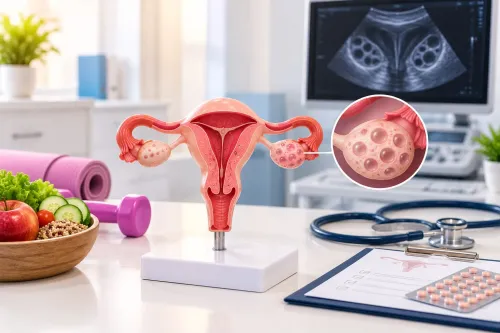
| Gynaecological | Period-linked pain, abnormal bleeding, painful sex or one-sided pain | Endometriosis, fibroids, adenomyosis, ovarian cyst or pelvic infection |
| Urinary | Burning, urgency, frequent urination, blood in urine or flank pain | Urinary infection, stone or bladder pain |
| Bowel | Constipation, diarrhoea, bloating or painful bowel movements | Irritable bowel syndrome, inflammatory disease or appendicitis |
| Muscular or nerve-related | Pain after movement, back or hip pain, abdominal-wall tenderness or pain with pressure | Pelvic-floor spasm, abdominal-wall strain or nerve irritation |
| Pregnancy-related | Missed period, positive test, bleeding or pain on one side | Ectopic pregnancy, miscarriage or another pregnancy complication |
Routine clinic care is unsafe if you have severe or rapidly worsening pain, heavy bleeding, fever, repeated vomiting, fainting, a rigid or extremely tender abdomen, or possible pregnancy with pain. A positive pregnancy test with pelvic pain or bleeding needs prompt assessment; sudden one-sided pain with fainting or marked dizziness is an emergency.
These symptoms can reflect ectopic pregnancy, ovarian torsion, a ruptured cyst, appendicitis or serious infection. Persistent pain can involve more than one cause, so a normal scan does not automatically end the evaluation.
How treatment and follow-up are matched to your findings
The next decision is not automatically surgery. After a pelvic pain treatment in Thane consultation, the clinician should explain the leading cause, what remains uncertain, and whether treatment can begin without more testing. The choice must account for pregnancy possibility, other medicines, contraindications and your priorities.
Depending on the findings, the plan may include:
- Anti-inflammatory pain medicine when inflammation or period-related pain is suspected.
- Hormonal treatment for cyclical pain or suspected endometriosis.
- Antibiotics only when examination or testing supports an infection.
- Pelvic-floor physiotherapy for muscle tenderness, painful sex or movement-related pain.
- Bladder or bowel treatment when urinary or gastrointestinal symptoms contribute.
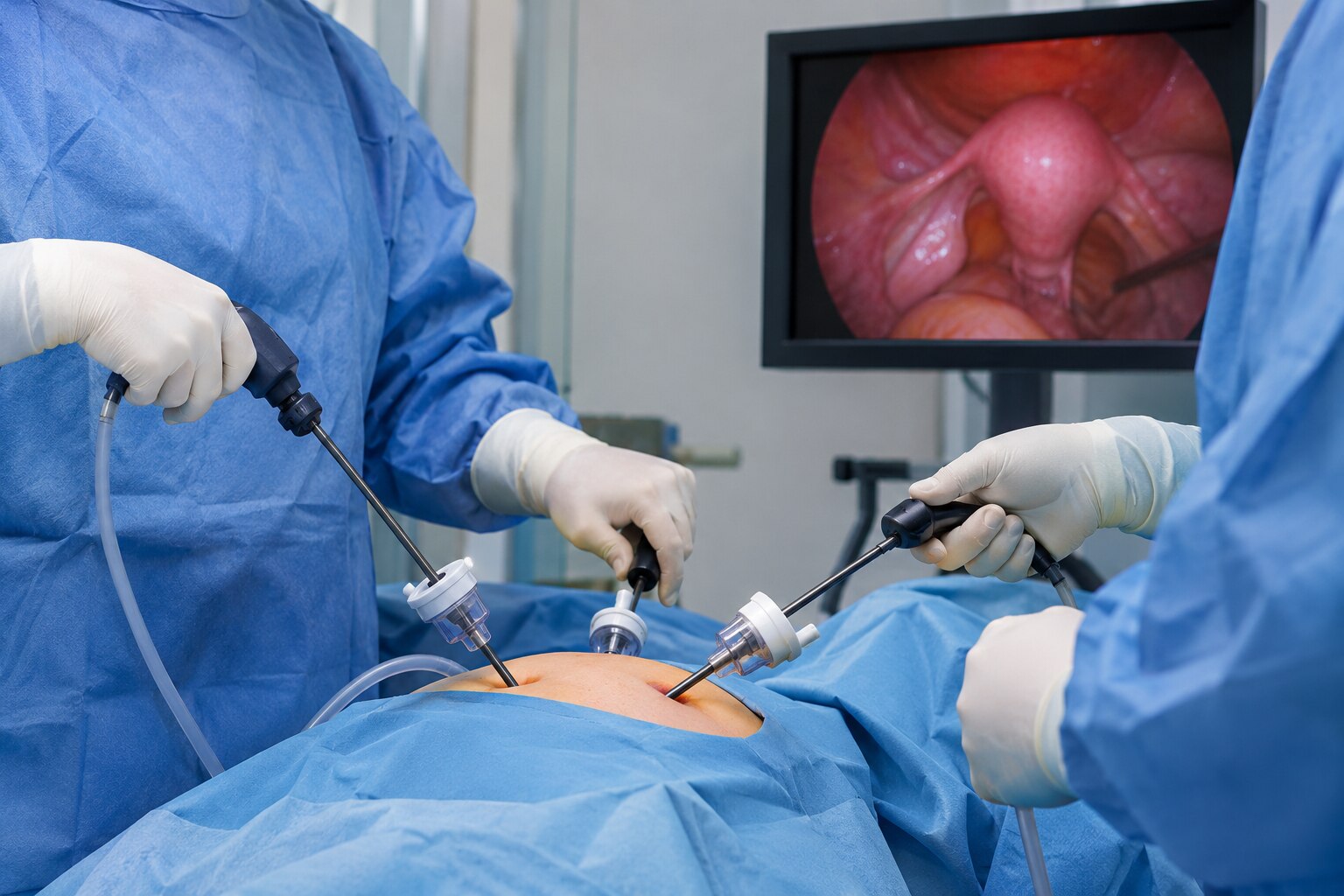
Laparoscopy is an option, not a guaranteed explanation for persistent pain. Ask what it could discover or treat, what surgical risks apply, and why symptom-based treatment, imaging or observation is not suitable before agreeing to it. A female pelvic pain clinic in Thane should also define when you will review the decision.
Judge progress using more than a pain score. Record pain intensity, sleep, work, mobility, sex, bleeding, bowel and bladder symptoms, triggers and medicine use in a diary. Improvement means fewer flares, better function or less reliance on rescue medicine, even if pain has not disappeared.
Eva Bloom Clinic - +919326019481 can use this record to reassess treatment rather than repeat the same plan without evidence. Seek urgent care for rapidly worsening pain, fainting, fever, heavy bleeding or possible pregnancy.
Related service
Pelvic Pain Treatment Pelvic pain can affect daily life and may be linked to infections, endometriosis, fibroids, hormonal issues, or urinary tract infections. View service → |
Frequently asked questions
What does a pelvic pain consultation ask about?
You will be asked when the pain began, where you feel it, how severe it is, and whether it is constant, intermittent or cyclical. Tell the doctor about bleeding, discharge, urinary or bowel symptoms, sexual pain, pregnancy possibility, medicines and previous diagnoses.
Which examinations and tests may be part of a pelvic pain evaluation in Thane?
The evaluation may include an abdominal examination, pelvic examination with your consent, urine or pregnancy testing, blood tests, vaginal or cervical swabs, and pelvic ultrasound. The doctor chooses tests based on your symptoms and examination findings.
How should I prepare for a pelvic pain examination?
Bring a symptom timeline, menstrual dates, medication list, previous reports and details of surgeries or pregnancies. Ask what the examination involves, request an explanation before each step, and discuss a chaperone, support person or pause signal.
When is pelvic pain an urgent problem?
Seek urgent medical care for severe or rapidly worsening pain, fainting, shoulder-tip pain, heavy vaginal bleeding, fever, repeated vomiting, a positive pregnancy test with pain, or marked weakness. These symptoms can indicate problems requiring prompt assessment.
How is pelvic pain treatment matched to the findings?
Treatment depends on the cause, duration and severity of pain. Options can include pain relief, treatment for infection, hormonal treatment, management of endometriosis or fibroids, pelvic-floor physiotherapy, specialist referral or surgery. Follow-up checks whether symptoms and test results are improving.
Keywords