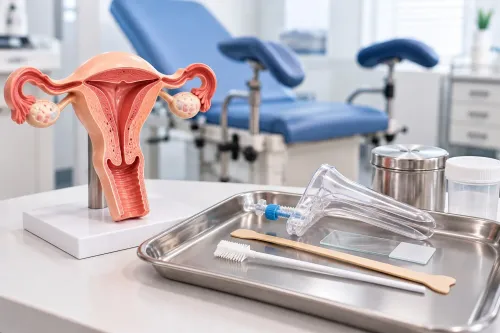
Uterus removal is a permanent decision, so the right time to consider it depends on the diagnosis, symptom severity, fertility plans, cancer risk and alternatives—not on uterus size alone. By the end, you will know which conditions make surgery medically reasonable, when conservative treatment deserves more time, and what to take to a consultation before consenting.
Key takeaways
- Consider hysterectomy after diagnosis, severe symptoms, failed treatment and completed fertility plans.
- Ask about medicines, uterine artery embolisation, myomectomy and endometrial ablation before surgery.
- Clarify whether the cervix, ovaries, fallopian tubes or uterus will be removed.
- Bring scan reports, medication lists, bleeding records and your fertility priorities.
Which conditions can make uterus removal medically reasonable?
For anyone asking when is uterus removal surgery worth it in Thane, the answer depends on the diagnosis, severity, treatment response and fertility plans—not on uterus size alone. Common hysterectomy indications in Thane include:
| Condition | When hysterectomy may be medically reasonable |
|---|---|
| Fibroids | Very large, multiple or rapidly growing fibroids causing pressure, severe bleeding, cavity distortion or repeated treatment failure. Location, number, growth pattern, age, fertility plans and preference still matter. |
| Adenomyosis | Persistent pain or heavy bleeding despite appropriate medication and other suitable treatments. |
| Uterine prolapse | Prolapse that remains inadequately controlled after pelvic-floor treatment, a pessary or prolapse repair. |
| Precancer | Endometrial or cervical precancer when the recommended treatment requires removing the uterus. |
| Confirmed cancer | Cancer of the uterus, cervix or ovary requiring an operation planned with the appropriate cancer specialists. |
Persistent abnormal uterine bleeding becomes a possible indication only after assessment excludes pregnancy, anaemia, structural causes, precancer and cancer. Bleeding after menopause needs prompt evaluation; symptoms such as bleeding or pelvic pain alone never establish a cancer indication.
A hysterectomy can be reasonable when bleeding, pressure or pain remains severe despite suitable alternatives, but fibroids alone do not make surgery necessary. The decision should account for the findings on examination and imaging, treatment failures, future pregnancy wishes and your informed preference.
Pregnancy cannot be carried after the uterus is removed; removal of the cervix, tubes or ovaries requires separate decisions.
When have symptoms crossed the line from manageable to disabling?
Reconsider conservative treatment when heavy bleeding causes low haemoglobin or iron-deficiency anaemia, pain remains disabling after an adequate treatment trial, or symptoms repeatedly send you to an emergency department or hospital. Bleeding, pelvic pressure, urinary difficulty or pain has crossed into disabling territory when it disrupts work, sleep, exercise, sex or ordinary daily activities.
| Option | What it offers | Key limitation or condition |
|---|---|---|
| Hormonal medication | Reduces bleeding and cramps | May not control symptoms from large or cavity-distorting fibroids |
| Tranexamic acid | Taken during heavy bleeding to reduce blood loss | Does not remove fibroids or treat pressure |
| Levonorgestrel-releasing intrauterine system | Long-term reduction in uterine bleeding | Suits selected uterine cavities and does not preserve fertility decisions automatically |
| Planned monitoring | Tracks stable, manageable fibroids with scans and symptom reviews | Requires scheduled review, not ignoring worsening symptoms |
| Myomectomy | Removes fibroids while preserving the uterus | Fibroids can recur |
| Uterine artery embolisation | Shrinks selected fibroid patterns without removing the uterus | May affect future fertility decisions |
| Endometrial ablation | Treats carefully selected heavy bleeding | Is not a fertility treatment; future pregnancy must not be wanted |
| Prolapse repair | Addresses prolapse when it is the primary problem | Does not treat unrelated bleeding or pain |
The uterus removal decision in Thane should compare these options with your diagnosis, fertility plans and treatment response. Persistent anaemia, disabling symptoms or repeated hospital visits make hysterectomy more reasonable; manageable symptoms support a planned review instead.
When is uterus removal the wrong first choice?
Hysterectomy is usually the wrong first choice when you want to carry a future pregnancy, because it permanently removes that possibility.
Postpone a uterus removal decision in Thane when symptoms lack a confirmed diagnosis, fibroids are small or manageable, anaemia is treatable, the bleeding source has not been investigated, or pain has not been traced to the uterus.
Ask for diagnosis and alternatives before consenting if:
- Heavy bleeding has not been assessed with a pregnancy test when relevant, blood count, examination, ultrasound and endometrial sampling when indicated.
- Pain could come from endometriosis, bowel disease, bladder conditions or pelvic-floor problems rather than the uterus.
- Fibroid location, size, number and effect on the uterine cavity have not been explained.
- You have not discussed myomectomy, medication, monitoring or another uterus-preserving option.
Age and menopause status change the balance. A younger patient needs a direct discussion of fertility loss and alternatives. Someone near or after menopause may weigh symptom duration, bleeding after menopause and cancer assessment differently, but postmenopausal bleeding still requires prompt evaluation. Review family history and suspected hereditary cancer risk before choosing the operation.
Seek a second opinion from a uterus surgery gynecologist in Thane when the indication is non-cancerous, the proposed operation is irreversible, or you remain uncertain. Confirmed or suspected cancer requires planning with appropriate cancer specialists, not a decision based on symptoms alone.
What exactly would be removed, and what are the consequences?
A total hysterectomy removes the uterus and cervix, so you cannot carry a pregnancy afterward. A subtotal, or supracervical, hysterectomy removes the uterus but leaves the cervix. A radical hysterectomy removes the uterus, cervix and surrounding tissue for selected cancers.
- Fallopian tubes and ovaries are separate decisions. Healthy ovaries may remain. Removal may be advised for ovarian disease, substantial inherited or suspected cancer risk, or findings during surgery.
- Removing both ovaries before natural menopause causes abrupt surgical menopause, including hot flushes and sleep or mood changes. Discuss menopause treatment and longer-term bone, cardiovascular and sexual health decisions before consenting.
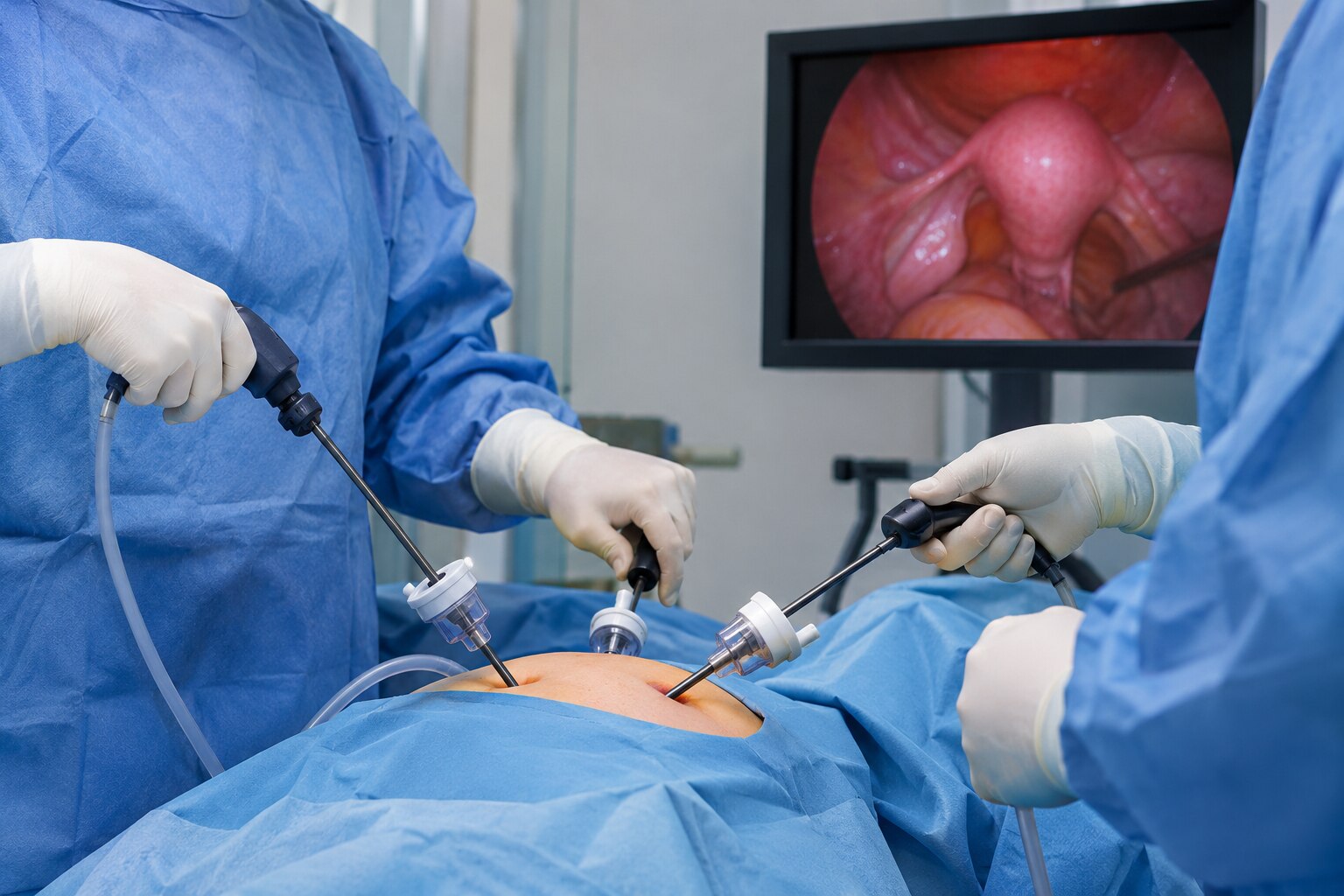
- Vaginal hysterectomy avoids an abdominal incision. Laparoscopic or robotic surgery uses small incisions and often enables faster recovery than open abdominal surgery. An abdominal route may be safest with a very large uterus, extensive adhesions, certain previous operations, complex anatomy or suspected cancer.
The safest route depends on uterine size, prolapse, prior surgery, anatomy, suspected cancer and surgeon expertise. Ask why the recommended route fits your case rather than comparing labels alone.
Risks include bleeding, infection, blood clots, anaesthetic problems, and injury to the bladder, bowel or ureters. Keeping the cervix means continuing cervical screening. After total hysterectomy, screening depends on why surgery occurred and whether you have had cervical precancer or cancer; a benign operation often ends routine screening, but prior high-grade disease may require surveillance.
What should you bring to a hysterectomy consultation in Thane?
Bring a labeled folder to your hysterectomy consultation in Thane, including the original reports and scan images rather than summaries alone.
- Pelvic ultrasound report and images; previous MRI reports and images, when performed.
- Pap smear or HPV results, endometrial biopsy or other pathology reports, and hospital discharge summaries.
- A complete medication list, including iron, hormones, painkillers and blood thinners.
- A dated record of bleeding, pain, emergency visits and hospital admissions.
- Ask the uterus surgery gynecologist in Thane to confirm the diagnosis and explain why hysterectomy is preferable to every reasonable alternative.
- Ask whether the cervix, fallopian tubes and ovaries will remain; which route is proposed; and how suspected cancer would change the operation.
- Ask about recovery time, follow-up visits, pathology charges and the cost of additional treatment if pathology changes the plan.
Expect a pelvic examination, a pregnancy test when relevant and a complete blood count to check haemoglobin. Endometrial sampling is indicated when your age, bleeding pattern or risk factors raise concern.
| Option | What to clarify | Why it matters |
|---|---|---|
| Hysterectomy | Route, organs removed and recovery | It is irreversible and major surgery |
| Uterus-preserving treatment | Medication, myomectomy, embolisation or monitoring | It may protect fertility or avoid surgical risks |
| Cancer pathway | Specialist referral and operation extent | Suspected or confirmed cancer needs cancer-centre planning |
Eva Bloom Clinic - +919326019481 can help organise this diagnosis-and-options discussion. Seek a cancer-centre opinion when cancer is suspected or confirmed, and do not consent until fertility, ovarian conservation, risks and alternatives are clear.
Related service
Uterus Removal Surgery ₹1000 (hysterectomy) can be done for conditions like fibroids, severe bleeding, or chronic pain when medical treatments fail. View service → |
Frequently asked questions
Which conditions can make uterus removal medically reasonable?
Hysterectomy can be reasonable for conditions such as uterine fibroids, adenomyosis, endometriosis, uterine prolapse, persistent heavy bleeding and certain cancers when symptoms, disease severity and treatment response support surgery.
When have symptoms crossed the line from manageable to disabling?
Symptoms deserve a serious surgical discussion when heavy bleeding causes anaemia, pain disrupts sleep or daily activities, pressure affects bladder or bowel function, or repeated treatments have not provided lasting relief.
When is uterus removal the wrong first choice?
Hysterectomy is often not the first choice when symptoms are mild, the diagnosis is uncertain, pregnancy remains a priority, or effective treatments such as medication, myomectomy or uterine artery embolisation remain suitable.
What exactly would be removed, and what are the consequences?
The operation may remove the uterus alone or also the cervix, fallopian tubes and ovaries. It ends pregnancy and menstrual periods; ovary removal causes immediate menopause, while ovary preservation usually avoids that immediate effect.
What should you bring to a hysterectomy consultation in Thane?
Bring ultrasound or MRI reports and images, blood-test results, previous treatment records, a complete medication list, bleeding and pain details, surgical history and questions about fertility and ovarian preservation.
Keywords