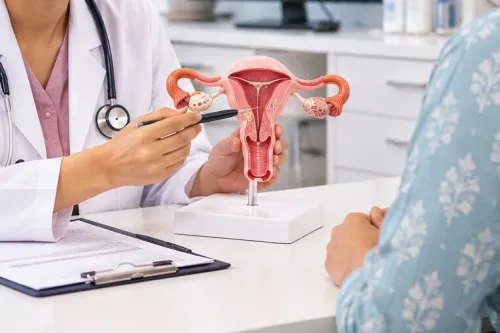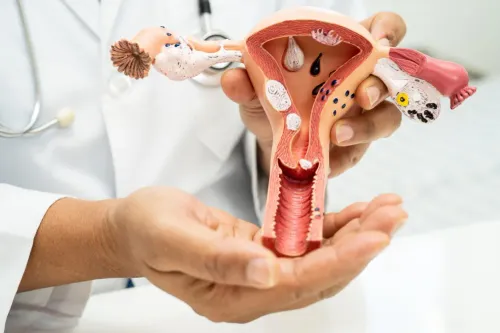
Pregnancy can happen before your first postpartum period, so waiting to choose contraception can create an unintended and closely spaced pregnancy. By planning before discharge, reviewing your health and feeding pattern, and comparing methods by effectiveness, reversibility and follow-up, you can choose a spacing plan that fits your recovery and family goals.
Key takeaways
- Start contraception discussions before leaving the hospital.
- Breastfeeding protects only under strict lactational amenorrhea conditions.
- Compare methods by effectiveness, hormones, reversibility and daily effort.
- Review anaemia, blood pressure, delivery type and breastfeeding before choosing.
Why birth spacing matters beyond convenience
Another pregnancy can be welcome and still deserve careful timing. Recovery from childbirth, breastfeeding, infant care and broken sleep place physical demands on you before your body has fully healed. Closely spaced pregnancies also leave less time to rebuild iron stores, arrange household finances and secure help from family or paid support.
Short intervals between pregnancies are associated with higher risks of preterm birth, low birth weight and maternal complications. Family planning after delivery in Thane can help you prevent an unintended pregnancy while you recover and care for your baby.
1. Separate the measurements: the interpregnancy interval is the time from delivery to the next conception; the interbirth interval is the time from one delivery to the next. A pregnancy conceived soon after birth produces a longer delivery-to-delivery interval than delivery-to-conception interval because pregnancy itself lasts about nine months.
2. WHO has traditionally recommended waiting at least 24 months after a live birth before trying again. ACOG advises avoiding intervals shorter than six months and discussing the risks and benefits of intervals shorter than 18 months.
3. No single number suits everyone. Your safest plan depends on age, fertility goals, previous pregnancy or delivery complications, delivery type, recovery, breastfeeding, sleep, finances, available support and access to care.
The postpartum contraception timeline starts before discharge
Before discharge, choose a first method rather than waiting for your period. Discuss backup condoms, emergency contraception after unprotected sex, and whether an implant, Copper-T or hormonal intrauterine system can be placed immediately after placental delivery, including during a caesarean birth.
- Immediate IUD placement avoids waiting for the first period, but expulsion is higher than with later insertion; reviews report roughly 10% to 27%. Contact a clinician for missing strings, severe cramping, heavy bleeding, fever, foul-smelling discharge or worsening pelvic pain.
- At six weeks, review bleeding, healing, blood pressure, breastfeeding, side effects and whether you want to continue or change the method.
- The same plan applies after vaginal birth, caesarean birth, preterm birth, miscarriage, stillbirth or abortion. Timing changes with bleeding, infection and medical recovery.
| Stage | What to decide | Practical point |
|---|---|---|
| Before discharge | First method and backup | Ovulation can precede the first period, so do not rely on menstruation returning |
| Immediately after delivery | Implant, Copper-T or hormonal intrauterine system | Placement can occur after vaginal or caesarean birth; IUD expulsion risk is higher |
| At six weeks | Review and continuation | Check recovery, breastfeeding, blood pressure, bleeding and side effects |
| After unprotected sex | Emergency contraception | Use it as backup, not as regular protection |
Postpartum family planning in Thane works best as a continuing conversation: record the method, when it becomes effective and when follow-up is due. A clinician can adjust the plan if recovery, feeding or symptoms change.
Why breastfeeding and no period are not enough on their own
Breastfeeding and an absent period do not prove that you cannot become pregnant. Ovulation happens before the first menstrual bleed, and it has been documented as early as 25 days after childbirth in women who are not breastfeeding.
Lactational amenorrhea method (LAM) works only when all three conditions apply:
- Your baby is under six months old.
- Your menstruation has not returned.
- Feeding is exclusive or nearly exclusive, with frequent breastfeeds day and night.
Regular formula, solid foods, long overnight gaps, or pumping patterns that reduce direct, frequent feeds can make LAM unreliable. Any menstrual bleeding after the initial postpartum bleeding means you need another contraceptive method. LAM also provides no protection against sexually transmitted infections, so use condoms when STI protection is needed.
Fertility-awareness methods are difficult early after birth because bleeding, ovulation and cycle length can be irregular, especially during breastfeeding. Do not rely on calendar dates or symptoms to predict fertile days. During postpartum family planning in Thane, ask about a method that does not depend on predicting ovulation if another pregnancy would be unacceptable.
Compare methods by protection, hormones and daily effort
Protection, hormones and effort differ sharply between methods. Implants and IUDs prevent fewer than one pregnancy per 100 users in a year with typical use; pills and condoms depend on consistent use.
| Option | Typical-use protection and duration | Hormones, bleeding, breastfeeding and follow-up |
|---|---|---|
| Condoms | 87% effective per year; use each time; reversible | No hormones; no routine bleeding change; compatible with breastfeeding; only option here that protects against STIs; use correctly every time |
| Progestin-only pills | 93% effective; daily and reversible | Progestin; irregular bleeding or no periods; generally compatible with breastfeeding; take on schedule and follow prescribing advice |
| Combined oral contraceptives | 93% effective; daily and reversible | Oestrogen plus progestin; predictable bleeding; delayed or restricted early postpartum because clot risk is highest and milk production can fall in some patients; review blood pressure and clot risks |
| Injections | 96% effective; repeat every 3 months; reversible, with fertility delay possible | Progestin; irregular bleeding or no periods; generally breastfeeding-compatible; return for each dose |
| Implant | Over 99% effective; lasts about 3 years; reversible | Progestin; irregular bleeding; generally compatible with breastfeeding; minor insertion and removal procedures |
| Copper-T | Over 99% effective; lasts 5 to 10 years; reversible | No hormones; heavier or crampier periods; breastfeeding-compatible; insertion and string review |
| Hormonal intrauterine system | Over 99% effective; lasts 3 to 8 years; reversible | Progestin; lighter bleeding or no periods; generally breastfeeding-compatible; insertion and follow-up |
| Emergency contraception | Backup after unprotected sex, not regular spacing; pill works best promptly, copper-T is most effective | Pill or copper-T; breastfeeding advice depends on product; seek timely guidance |
| Permanent sterilization | Over 99% effective but not infallible; permanent | No ongoing hormones; no STI protection; after delivery or during caesarean birth, discuss alternatives, regret, failure, and reversal, which is difficult, expensive and not guaranteed |
A family planning clinic in Thane can match the method to your feeding, bleeding, health history and ability to manage daily or scheduled follow-up. Condoms remain important when STI protection is needed.
The health questions that change your safest choice
Your safest method depends on details that change both eligibility and timing. Bring these facts to a birth spacing consultation in Thane:
- State whether you are breastfeeding, your delivery date and whether the birth was vaginal or caesarean, and whether you have had a previous LSCS.
- Report postpartum haemorrhage, current bleeding, fever, foul-smelling discharge or suspected infection.
- Mention high blood pressure, diabetes, migraine with aura, smoking, liver disease, and any personal or family history of blood clots.
- List every medicine, including prescriptions, injections, supplements and herbal products.
- Say whether the pregnancy ended in a live birth, preterm birth, miscarriage, stillbirth or abortion.
These answers matter especially before choosing oestrogen-containing pills, patches or rings because clot risk is higher soon after delivery. An IUD also requires assessment for infection and unexplained or abnormal bleeding before insertion.
Ask your family planning doctor in Thane:
- How soon does this method work, and do I need backup condoms?
- What bleeding pattern, cramps or other side effects should I expect?
- If I choose an IUD, how do I check the strings, and when is follow-up due?
- Which symptoms need urgent review, such as heavy bleeding, severe pain, fever, fainting or breathlessness?
Eva Bloom Clinic can help you review postpartum recovery, feeding, medical history, pregnancy goals and method trade-offs in one consultation. Family planning is worthwhile when it gives you control over recovery and the timing of another pregnancy, but the right method must match your health and circumstances.
Related service
Family Planning Services ₹1000 Dr. Kavita provides expert guidance on contraception, Copper-T insertion, hormonal methods and permanent sterilization procedures. View service → |
Frequently asked questions
Why does birth spacing matter after having a baby?
Spacing gives your body time to recover, rebuild iron stores, establish breastfeeding and organise practical support before another pregnancy.
When should postpartum contraception planning begin?
Begin the discussion during pregnancy and confirm the method before hospital discharge, because fertility can return before your first period.
Can breastfeeding and no period prevent pregnancy?
Only when all lactational amenorrhea method conditions apply: your baby is under six months, you have no menstrual bleeding, and you breastfeed exclusively at frequent intervals.
How should you compare postpartum contraception methods?
Compare pregnancy protection, hormones, compatibility with breastfeeding, reversibility, side effects and the effort required each day or month.
Which health questions affect the safest contraception choice?
Discuss anaemia, high blood pressure, migraine with aura, blood-clot history, liver disease, medicines, delivery complications and breastfeeding plans.
Keywords