Period problems, delayed puberty and pelvic pain need more than a quick assumption that everything is normal for a teenager. You will learn which symptoms need routine or same-day care, which type of clinician fits the problem, how confidentiality works, and what to expect from an adolescent appointment.
Key takeaways
- Book care for very painful, absent, unusually heavy, or unpredictable periods.
- Choose a clinician who explains privacy, consent, and each examination before starting.
- Bring cycle dates, symptoms, medicines, and questions to the first visit.
- Seek same-day care for severe pain, fainting, heavy bleeding, or possible pregnancy complications.
When a Teenager Needs an Adolescent Gynaecologist
An adolescent gynaecologist in Thane cares for ages 10–19 with puberty, periods, contraception, sexual health, abnormal bleeding and safeguarding concerns—not simply adult care in a smaller body. The clinician uses private, age-appropriate language, explains consent, and selects an examination only when it answers a clinical question.
A teenage gynaecologist in Thane should also recognise anxiety, coercion and body-image distress alongside physical symptoms.
Very heavy bleeding with fainting, marked weakness, breathlessness, chest symptoms or severe pallor needs same-day medical care. Severe pelvic pain with fever, vomiting or possible pregnancy also should not wait for a routine appointment.
Arrange routine assessment when:
- Breast development has not started by age 13.
- Menstruation has not begun by age 15, or within three years after breast development.
- A cycle gap exceeds 90 days, even once, or cycles repeatedly fall below 21 days or exceed 45 days during the first gynaecologic year.
- Bleeding lasts more than seven days, soaks protection hourly for two hours, requires double protection, leaks at night, includes large clots, or causes fatigue, dizziness or breathlessness.
| Clinician | What they do differently | When it applies |
|---|---|---|
| Adolescent gynaecologist | Combines puberty, menstrual, sexual-health and safeguarding care | Recurrent period problems or sensitive reproductive concerns |
| Paediatrician or family doctor | Assesses overall health and common medical causes | First review for general symptoms or unclear concerns |
| Endocrinologist | Investigates hormone and metabolic disorders | Suspected thyroid disease, delayed puberty or complex PCOS concerns |
Choosing the Right Clinician for the Symptom
Choose the clinician whose training matches the main problem, not simply the teenager’s age. An adolescent reproductive health doctor in Thane is a strong starting point for period pain, heavy or irregular bleeding, delayed puberty, contraception, sexual-health questions, body-image concerns or safeguarding issues.
Look for privacy explained at the start, adolescent-friendly communication and developmentally appropriate examination.
| Clinician | Choose this clinician when | What happens next |
|---|---|---|
| Adolescent reproductive health doctor | Menstrual, puberty, contraception or sexual-health concerns need focused care | They review cycles, pregnancy possibility, medicines, nutrition, exercise, sleep, mood and safety |
| Paediatrician | The teenager is younger, has several general symptoms, or needs growth and development assessment | They check height, weight, vital signs and overall health, then refer when specialist care is needed |
| Family doctor | You need an accessible first assessment for a non-urgent symptom or an established health condition | They can examine, order initial tests and coordinate referral |
| Endocrinologist | Period or puberty changes suggest a hormone or metabolic disorder, such as thyroid disease, markedly delayed puberty or suspected PCOS | They assess hormone patterns and related metabolic findings |
| Mental-health professional | Anxiety, depression, self-harm thoughts, eating problems, trauma or severe distress is driving or worsening symptoms | They provide psychological assessment and safety planning, alongside medical care |
Do not wait for a routine appointment if heavy bleeding causes fainting, severe weakness, breathlessness, chest symptoms or marked pallor. Seek same-day care for severe pelvic pain with fever, vomiting, or possible pregnancy, especially when pain is one-sided or bleeding is present.
What to Prepare for a Private First Visit
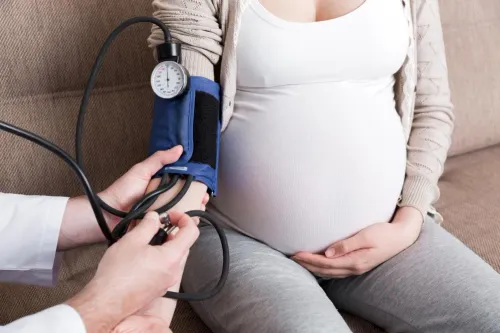
Bring a simple period record, medication list and questions; you do not need to prepare a perfect medical history. A teenage gynaecologist in Thane can fill gaps by asking clear, age-appropriate questions.
- Note the first day of each period for the past six months, the number of bleeding days, pad changes, large clots, night-time changes and pain severity.
- Record symptoms between periods, including acne, unusual hair growth, headaches, weight changes, dizziness, fatigue or missed periods.
- Mention all medicines and supplements, allergies, previous diagnoses, vaccinations and surgeries.
- Include bleeding clues: frequent nosebleeds, easy bruising, prolonged bleeding after dental work or surgery, and relatives with a bleeding disorder.
- Write down questions about puberty, contraception, sexual health, mood or safety. Tell the clinician privately if pregnancy or sexual contact is a concern.
At the start, ask how confidentiality works. The clinician should offer some private conversation and explain what can remain confidential, what requires consent, and when information must be shared. A parent or responsible adult may need to be involved for immediate danger, serious self-harm risk or suspected abuse; confidentiality is not absolute for a minor.
When booking with Eva Bloom Clinic - +919326019481, ask how the visit handles parent attendance, private time and consent for any examination. The teenager’s agreement, comfort and right to ask questions still matter throughout the appointment.
Related service
Adolescent Gynaecologist ₹1000 At Eva Bloom Clinic, we provide confidential adolescent care for irregular periods, PCOS, menstrual pain, hormonal issues and puberty concerns. View service → |
Will There Be an Internal Examination or Blood Test?
A pelvic or speculum examination is not automatic for cramps, irregular periods or suspected PCOS. The clinician starts with menstrual timing, pain pattern, medicines, medical history, sexual history and the possibility of pregnancy, then performs an abdominal examination when appropriate.
A girls period doctor in Thane may investigate different symptoms with different steps:
- Period pain: assess pain location, severity, vomiting, missed activities and response to medicines. Persistent, one-sided or worsening pain may lead to an ultrasound; an internal examination is considered only when symptoms and consent make it useful.
- Heavy bleeding: check bleeding duration, pad changes, clots, fatigue and dizziness. A complete blood count and ferritin can identify anaemia and low iron; a pregnancy test or clotting tests apply when the history indicates them.
- Irregular cycles: record cycle gaps and check weight changes, eating patterns, exercise, medicines and stress. A gap over 90 days warrants assessment. Tests can include pregnancy testing, thyroid-stimulating hormone and prolactin when indicated.
- Suspected PCOS: look for persistent irregular ovulation, excess facial or body hair and acne. Androgen tests may help exclude other causes; an ultrasound alone does not diagnose PCOS in adolescents.
- Delayed puberty: assess growth, breast development and family timing, then consider FSH, LH, oestradiol, thyroid tests or a bone-age X-ray.
Severe pain with fever, vomiting or possible pregnancy needs same-day care rather than a routine adolescent reproductive health doctor in Thane visit.
When Period or Pelvic Symptoms Need Same-Day Care
Fainting, breathlessness, chest pain, severe pallor, confusion or marked weakness during heavy bleeding needs emergency care today, not a routine appointment with an adolescent gynaecologist in Thane. Call emergency services if the teenager is collapsing, difficult to wake, or has trouble breathing.
| Symptom | Same-day action | Why it matters |
|---|---|---|
| Bleeding that soaks one pad or tampon every hour for several hours, needs double protection, continues overnight, or includes large clots | Go to an emergency department | Rapid blood loss can cause anaemia or circulatory instability |
| Severe one-sided pelvic pain, especially with vomiting or dizziness | Seek emergency assessment | Ovarian torsion is time-sensitive |
| Pelvic pain with fever, vomiting or foul-smelling discharge | Obtain urgent medical care | Infection can worsen without treatment |
| Pain or bleeding with a possible pregnancy | Go to emergency care immediately | Ectopic pregnancy must be excluded |
While arranging care, keep the teenager with a trusted adult, help her lie down if dizzy, and offer small sips of water when she is awake and not vomiting. Record when the bleeding or pain began, how many pads were used, clot size, medicines taken, allergies, and the date of the last period.
Do not give aspirin, which can increase bleeding. A girls period doctor in Thane can assess heavy or unusual bleeding after immediate danger has been addressed.
Frequently asked questions
When does a teenager need an adolescent gynaecologist?
Arrange an appointment for severe period pain, unusually heavy or prolonged bleeding, absent or very irregular periods, pelvic pain, unusual discharge, puberty concerns, contraception questions, sexual-health concerns, or safeguarding issues.
How do I choose the right clinician for a teenager’s symptoms?
Look for an adolescent-focused clinician who treats ages 10–19, uses private age-appropriate communication, explains confidentiality and consent, and matches tests or examinations to the symptom.
What should a teenager prepare for a private first visit?
Bring the date of the last period, recent cycle dates, bleeding duration and heaviness, pain details, medicines, allergies, relevant medical history, and a written list of questions.
Will there be an internal examination or blood test?
Not automatically. The clinician recommends an examination or blood test only when it answers a specific clinical question, then explains the reason and asks for consent before proceeding.
When do period or pelvic symptoms need same-day care?
Seek same-day medical care for severe or worsening pelvic pain, fainting or marked weakness, very heavy bleeding, fever with pelvic pain, or symptoms linked to a possible pregnancy.
Keywords