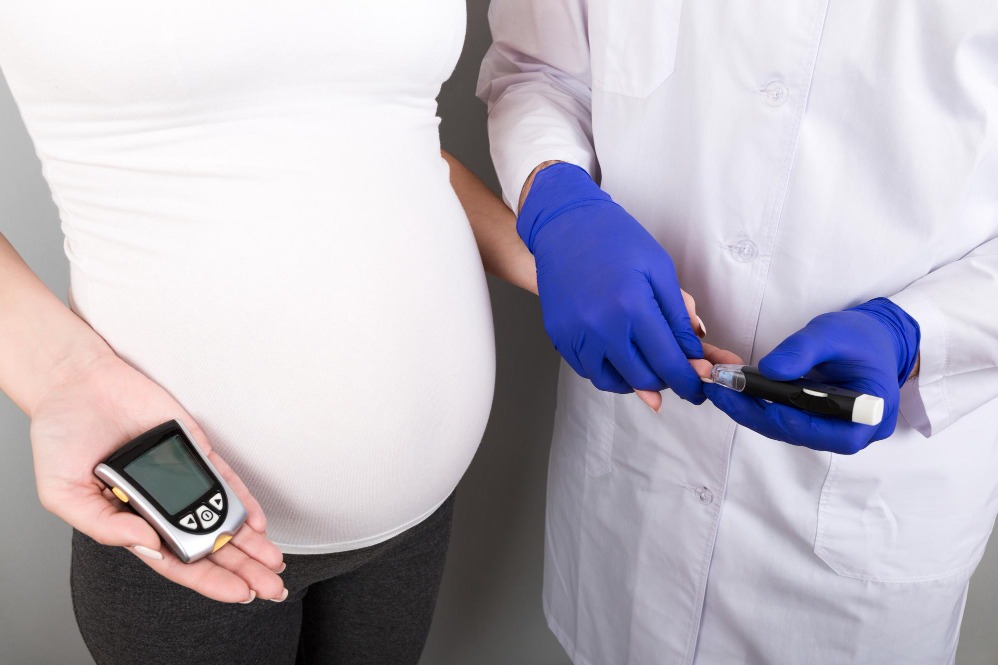
Diabetes first identified during pregnancy is commonly called gestational diabetes. Because blood glucose levels can affect both maternal and fetal health, timely identification and ongoing monitoring form an important part of pregnancy care.
Women looking for Diabetes in Pregnancy Treatment in Thane generally need coordinated care that considers glucose control alongside routine antenatal monitoring.
Why Can Blood Sugar Rise During Pregnancy?
Pregnancy hormones naturally change how the body responds to insulin. In some women, the pancreas cannot produce enough additional insulin to keep blood glucose within the recommended range, resulting in gestational diabetes.
Women may feel completely well, which is why screening is important. Symptoms alone cannot reliably identify the condition.
Women who already had diabetes before becoming pregnant require a somewhat different management approach because glucose control is important from very early pregnancy.
What Happens After Gestational Diabetes Is Diagnosed?
The first step is usually understanding blood glucose patterns.
The healthcare team may advise home glucose monitoring at specified times. Nutrition and physical activity are also commonly reviewed.
A pregnancy nutrition plan should support maternal health and fetal growth rather than simply eliminating carbohydrates. Meal composition, portioning and carbohydrate distribution may need adjustment according to glucose readings and individual nutritional requirements.
Physical activity may also help glucose management when it is considered safe for the pregnancy.
When Is Medication Needed?
Lifestyle measures may be sufficient for some women. Others continue to have glucose readings above recommended pregnancy targets and require medication.
The treatment decision is based on glucose patterns and clinical circumstances. Insulin is commonly used when medication is needed in pregnancy, although the appropriate treatment should always be individualised.
Women should not change diabetes medicines independently after discovering that they are pregnant.
Pregnancy Monitoring Matters Too
Gestational diabetes care is not limited to checking sugar levels.
The obstetric team may monitor fetal growth and other pregnancy parameters according to the woman's clinical situation. Blood pressure also deserves attention because pregnancy can involve multiple overlapping risk factors.
The timing and mode of delivery are determined by the broader obstetric picture rather than by a diagnosis of gestational diabetes alone.
What Happens After Delivery?
Blood glucose often returns toward normal after pregnancy, but gestational diabetes is also an important marker of future metabolic risk.
Women who have experienced gestational diabetes have a higher risk of developing type 2 diabetes later in life. Postpartum glucose testing is therefore an important part of follow-up.
Long-term attention to healthy nutrition, activity and weight can also support metabolic health.
When to Seek Pregnancy Care
Women diagnosed through antenatal screening should arrange follow-up rather than waiting for symptoms. Those with known diabetes who are planning pregnancy can benefit from preconception review because glucose management and medications may need attention before conception.
For pregnant women in Thane, Maharashtra, Eva Bloom Clinic provides obstetric assessment where gestational diabetes can be considered alongside other aspects of antenatal health and pregnancy monitoring.
A gestational diabetes diagnosis does not mean every pregnancy will follow the same course. Some women manage their glucose through lifestyle changes, while others require medication and closer surveillance. Regular monitoring provides the information needed to adjust the plan as pregnancy progresses and supports informed decisions for both mother and baby.
Keywords