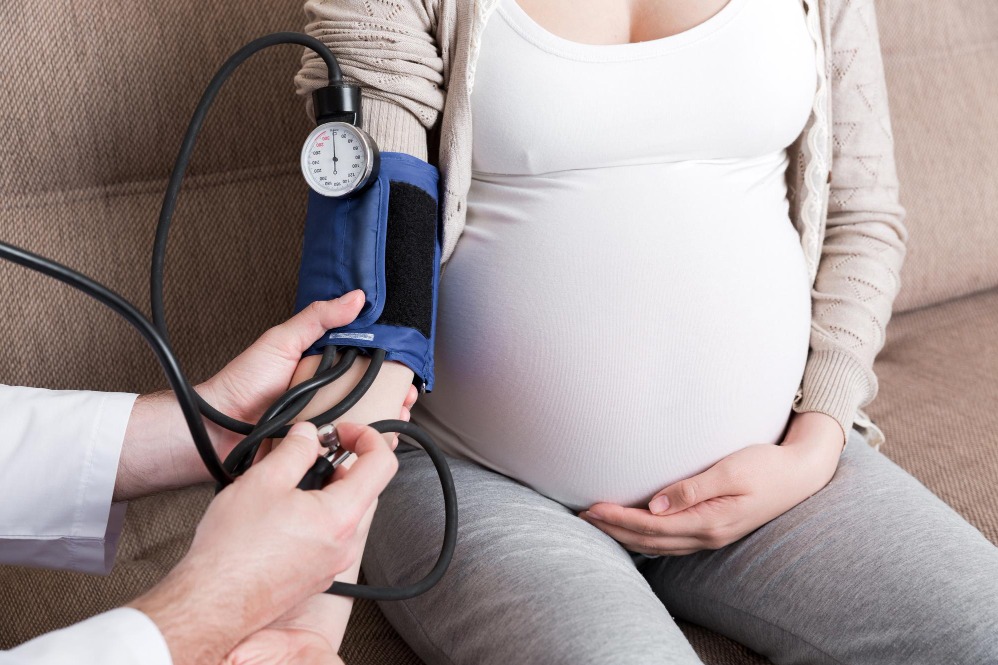
Blood pressure is checked throughout pregnancy for an important reason. Hypertension can sometimes develop without obvious symptoms, and in certain situations it may be associated with complications requiring closer maternal and fetal monitoring.
Women seeking High BP in Pregnancy Treatment in Thane need assessment that distinguishes chronic hypertension from pregnancy-related hypertension and conditions such as preeclampsia.
High Blood Pressure Is Not One Single Pregnancy Condition
Some women enter pregnancy with chronic hypertension. Others develop elevated blood pressure after pregnancy has already begun.
Gestational hypertension generally develops after 20 weeks of pregnancy without the other defining features of preeclampsia.
Preeclampsia involves new-onset hypertension after 20 weeks along with additional findings that can indicate organ involvement. Protein in the urine can be one feature, although diagnosis is not based on urine protein alone.
Correct classification matters because monitoring and management can differ.
What Symptoms Should Pregnant Women Know?
High blood pressure itself may cause no noticeable symptoms.
However, pregnant women should seek prompt assessment for concerning symptoms such as:
- Severe or persistent headache
- New visual disturbances
- Significant pain in the upper abdomen
- Sudden or marked swelling, particularly when accompanied by other symptoms
- Shortness of breath
- Feeling significantly unwell
Reduced fetal movements also deserve prompt maternity assessment regardless of whether hypertension has been diagnosed.
How Is Hypertension Assessed?
Blood pressure readings are interpreted alongside gestational age, previous readings, symptoms and medical history.
Additional evaluation may include urine testing, blood tests and fetal assessment depending on the clinical situation.
A single reading can sometimes be affected by circumstances, but significantly elevated measurements should not simply be ignored. Repeated measurements and clinical review help establish what is happening.
Treatment Is Individualised
Some pregnant women with hypertension require medication. Treatment selection during pregnancy needs care because not every blood pressure medicine routinely used outside pregnancy is suitable.
Women taking antihypertensive medication before conception should therefore have their treatment reviewed when planning pregnancy or as soon as pregnancy is recognised.
The healthcare team may also recommend additional fetal growth surveillance and other monitoring depending on the diagnosis and severity.
Why Follow-Up Is Important
Pregnancy hypertension can change over time. A woman who initially has relatively mild elevation may require reassessment if readings rise or new symptoms develop.
Home blood pressure monitoring may be recommended for selected women, but it complements rather than replaces antenatal evaluation.
Women should know what readings or symptoms require contact with their maternity team.
Choosing Care for a Higher-Risk Pregnancy
For women in Thane and surrounding areas of Maharashtra, practical access to obstetric follow-up can become particularly important when a pregnancy requires repeated blood pressure checks, investigations or fetal surveillance.
At Eva Bloom Clinic, pregnancy care can include assessment of maternal medical factors such as hypertension alongside routine obstetric needs. Women with previous high blood pressure or a history of hypertensive complications in pregnancy should mention this early during antenatal care.
Managing high blood pressure in pregnancy is not simply about lowering a number on a machine. The broader goal is to understand the type and severity of hypertension, watch for complications, monitor fetal wellbeing and make appropriate decisions as the pregnancy progresses. Regular antenatal review helps identify changes early enough for the care plan to be adjusted when necessary.
Keywords