Polycystic ovary syndrome, commonly known as PCOS, can affect periods, ovulation, skin, hair, weight, fertility and metabolic health. The condition does not look the same in every woman, which is why persistent symptoms deserve individual assessment rather than being managed only through home remedies or assumptions.
Women searching for a PCOS Treatment Doctor in Thane often do so after noticing irregular periods, difficulty conceiving, acne, unwanted facial hair, scalp hair thinning or unexplained weight changes. Some women have only a few of these concerns, while others may have PCOS even without obvious outward symptoms.
What Can PCOS Look Like?
PCOS is associated with hormonal and ovulatory disturbances. Common reasons to discuss possible PCOS with a gynecologist include:
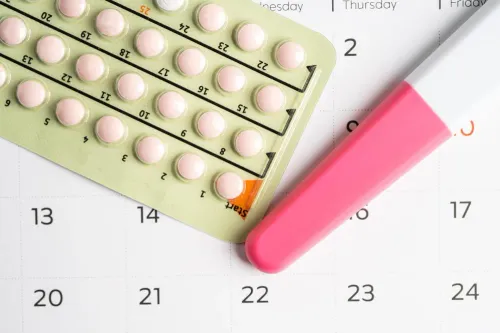
- Periods that repeatedly arrive late or are missed
- Unpredictable menstrual cycles
- Increased facial or body hair
- Persistent acne
- Difficulty with ovulation or conception
- Darkening of skin in certain areas
- Weight gain or difficulty managing weight
- Thinning scalp hair
Having one symptom does not automatically mean that a woman has PCOS. Thyroid disorders, elevated prolactin, pregnancy and several other hormonal or medical conditions can produce overlapping symptoms.
How Is PCOS Evaluated?
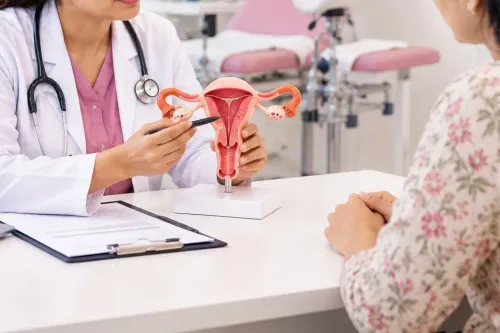
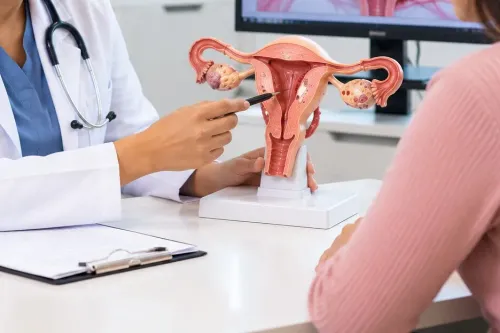
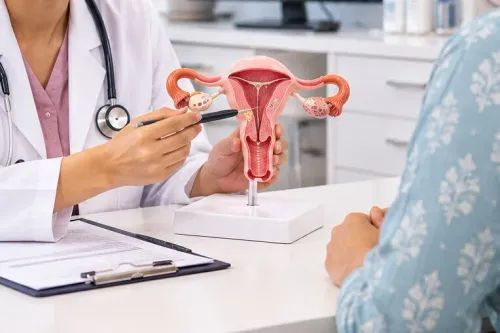
There is no single symptom or test that establishes PCOS in every patient. A gynecological assessment generally begins with menstrual history, changes in weight, fertility plans, medications and other symptoms.
Depending on the clinical picture, the doctor may recommend blood tests and an ultrasound. Evaluation may also consider blood glucose and other metabolic factors because PCOS can be associated with insulin resistance and an increased long-term risk of metabolic problems.
An ultrasound finding alone should not be interpreted without the rest of the clinical picture. Some women can have ovaries with a polycystic appearance without having PCOS, while others with PCOS may not have every typical ultrasound feature.
Does Every Woman With PCOS Need the Same Treatment?
No. Treatment should reflect the woman's symptoms and current priorities.
For someone primarily concerned about irregular cycles, management may focus on menstrual regulation and protecting endometrial health. A woman planning pregnancy may need assessment of ovulation and other fertility factors. Acne or excess hair growth can require a different approach.
Lifestyle measures can also form an important part of PCOS management, particularly where metabolic factors are present. Sustainable nutrition, regular physical activity, adequate sleep and weight management where appropriate may improve overall metabolic health.
Medication may be considered according to symptoms, medical history and pregnancy plans.
PCOS and Fertility
PCOS can interfere with regular ovulation, but having PCOS does not mean that pregnancy is impossible. Some women conceive without fertility treatment, while others benefit from medical support to improve or induce ovulation.
A fertility evaluation should also avoid assuming that PCOS is automatically the only reason for delayed conception. Age, fallopian tube health, semen parameters and other reproductive factors may need consideration.
When Should You Arrange a Gynecological Assessment?
Consider an evaluation when menstrual cycles remain irregular for several months, periods disappear unexpectedly, bleeding becomes unusually heavy, symptoms such as acne or excess hair become troublesome, or pregnancy is not occurring despite regular attempts.
Women in Thane and surrounding areas of Maharashtra can benefit from addressing persistent menstrual or hormonal symptoms early rather than waiting for them to become more disruptive.
At Eva Bloom Clinic, PCOS evaluation can be considered in the wider context of menstrual health, fertility goals and individual medical factors. The purpose of assessment is not simply to attach a label to symptoms, but to understand what is contributing to them and determine an appropriate management plan.
PCOS often requires ongoing rather than one-time management. Understanding the condition, tracking menstrual patterns and reviewing changing reproductive goals can help women make informed decisions at different stages of life.
Keywords