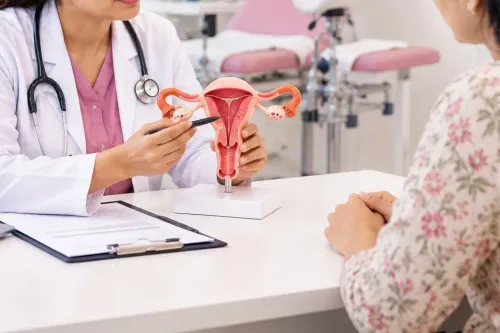
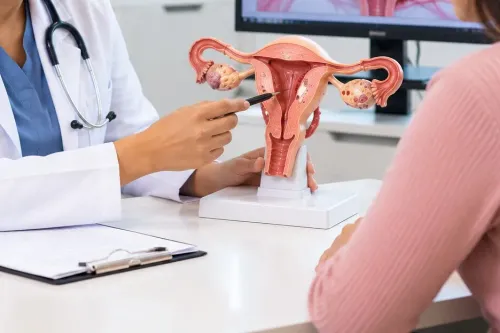
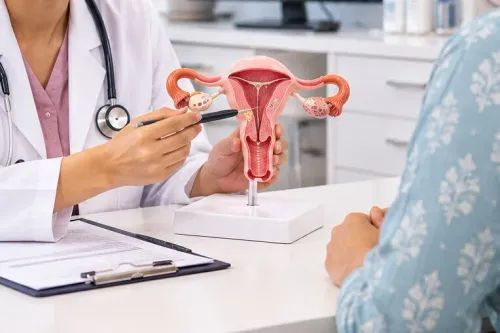
A Pap Smear Test in Thane is one of the most effective screening tests for women's preventive healthcare. Rather than diagnosing cervical cancer after symptoms appear, the test is designed to identify abnormal cervical cells at an early stage, allowing timely monitoring or treatment if needed. Regular cervical screening plays an important role in protecting long-term reproductive health and is recommended even for women who feel completely healthy.
Many women avoid cervical screening because they believe it is painful, unnecessary, or only required after menopause. In reality, routine Pap smear testing is an essential part of preventive gynecological care for women in the recommended age group.
What Is a Pap Smear Test?
A Pap smear is a simple screening procedure used to collect a small sample of cells from the cervix, which is the lower part of the uterus. The collected cells are examined in a laboratory to detect abnormal changes that could develop into cervical cancer if left untreated.
The test is preventive rather than diagnostic, helping doctors identify potential concerns before they progress.
Who Should Get a Pap Smear?
Your gynecologist will recommend cervical screening based on your age, medical history, and previous screening results.
Women are generally advised to discuss Pap smear screening if they:
- Are within the recommended screening age group
- Are sexually active
- Have never undergone cervical screening
- Have a history of abnormal Pap smear results
- Have a weakened immune system
- Have risk factors for cervical disease
Following your doctor's recommended screening schedule is more important than waiting for symptoms to appear.
What Happens During the Test?
The procedure is usually completed within a few minutes during a gynecological examination.
The process typically involves:
- You lie comfortably on the examination table.
- A speculum is gently inserted to visualize the cervix.
- A soft brush or spatula collects cervical cells.
- The sample is sent to a laboratory for analysis.
Most women experience only mild discomfort, and the procedure does not require anesthesia.
How Should You Prepare?
To obtain the most accurate results, your doctor may advise you to:
- Schedule the test when you are not menstruating.
- Avoid vaginal medications unless prescribed.
- Avoid sexual intercourse for 24 to 48 hours before the test.
- Inform your doctor if you are pregnant or have recently delivered.
Following these simple recommendations helps improve sample quality.
Understanding the Results
Pap smear reports may indicate:
- Normal cervical cells
- Minor cellular changes
- Abnormal cells requiring further evaluation
- Inadequate sample requiring repeat testing
An abnormal result does not automatically mean cervical cancer. In many cases, additional testing is recommended to better understand the findings.
Why Regular Screening Matters
Cervical cell changes often develop gradually and may not produce noticeable symptoms.
Routine screening helps:
- Detect abnormal cells early
- Monitor cervical health over time
- Reduce the risk of advanced cervical disease
- Support timely medical intervention when needed
Women who undergo regular screening are more likely to have cervical abnormalities detected at an early and manageable stage.
Common Questions Women Ask
Many women postpone screening because of common misconceptions.
Some frequently asked questions include:
- Is the test painful?
- Can I have a Pap smear during pregnancy?
- How often should screening be done?
- What happens if my report is abnormal?
Discussing these concerns with your gynecologist can help you approach screening with confidence.
Preventive Women's Healthcare in Thane
Preventive healthcare has become an important part of women's wellness in Thane, Maharashtra. Regular cervical screening allows women to take a proactive approach to their reproductive health instead of waiting for symptoms to develop. At Eva Bloom Clinic, Pap smear testing is performed as part of comprehensive gynecological care, with appropriate counselling before and after the procedure to help patients understand their results and future screening schedule.
Frequently Asked Questions
Is a Pap smear the same as an HPV test?
No. While both relate to cervical health, they are different tests and may sometimes be performed together depending on clinical recommendations.
Does the test detect all gynecological cancers?
No. A Pap smear is specifically designed to identify cervical cell abnormalities.
Should I have a Pap smear if I have no symptoms?
Yes. Cervical screening is intended for women without symptoms because early cellular changes often go unnoticed.
Can vaccinated women skip Pap smear tests?
No. Women who have received the HPV vaccine should still follow recommended cervical screening schedules.
Routine Pap smear testing remains one of the simplest and most effective ways to protect cervical health. Combined with regular gynecological check-ups, it supports early detection and long-term preventive care.
Keywords