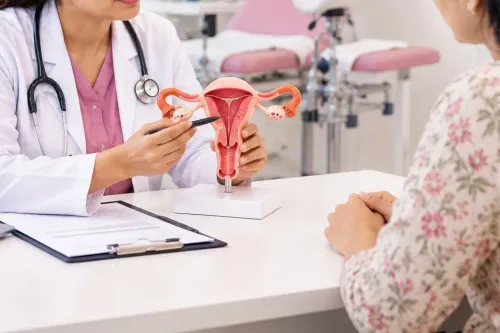
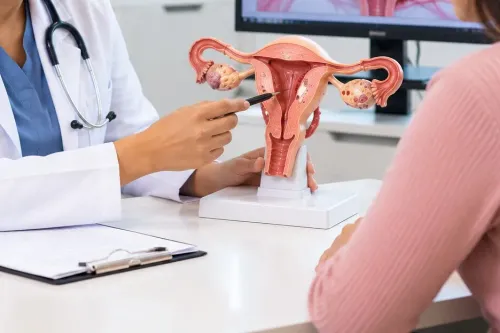
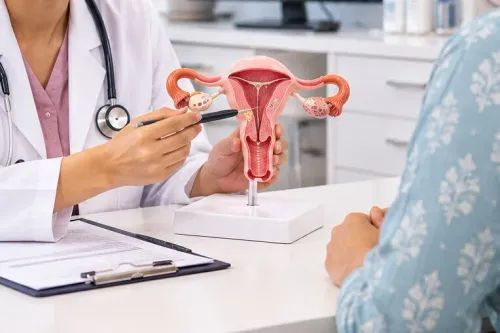
When pregnancy takes longer than expected, it is natural for couples to focus immediately on fertility treatment. In practice, one of the most useful first steps is identifying whether there is an underlying factor affecting conception and whether both partners need evaluation.
Couples considering Infertility Treatment in Thane may encounter many possible tests and treatment options. Understanding the basic fertility assessment process can make these decisions considerably easier.
When Is Fertility Evaluation Usually Considered?
A fertility assessment is commonly considered when pregnancy has not occurred after 12 months of regular unprotected intercourse in women under 35. For women aged 35 or above, evaluation is often considered after about six months.
Earlier assessment may be appropriate when there are known concerns such as:
- Very irregular or absent periods
- PCOS or suspected ovulation problems
- Endometriosis
- Previous pelvic infections
- Previous ovarian or pelvic surgery
- Known problems with the uterus or fallopian tubes
- Recurrent pregnancy loss
- Known male fertility concerns
Age and individual medical circumstances can change the appropriate timeline.
Fertility Is a Couple-Based Issue
One common mistake is assuming that delayed conception is automatically a female reproductive problem. Fertility difficulties can be related to the female partner, male partner, both partners or sometimes remain unexplained after standard testing.
A structured evaluation may therefore include semen analysis alongside assessment of ovulation and female reproductive health.
For women, the doctor may review menstrual cycles and perform investigations based on age, history and symptoms. These can include blood tests, ultrasound and assessment of the uterus or fallopian tubes where clinically indicated.
Why Ovulation Matters
Pregnancy requires the release of an egg, fertilisation and successful implantation. Women with regular cycles are more likely to ovulate consistently, although regular menstruation does not provide absolute confirmation in every situation.
Conditions such as PCOS can disrupt ovulation and make fertile days difficult to predict.
Tracking periods can provide useful information, but excessive dependence on apps can sometimes create confusion because predictions are estimates rather than direct confirmation of ovulation.
Treatment Depends on the Cause
There is no universal infertility treatment pathway.
If irregular ovulation is identified, treatment may focus on improving or inducing ovulation. Structural concerns may require a different approach. Male-factor infertility can change the recommended strategy considerably.
Some couples may initially require timed intercourse with appropriate medical guidance. Others may be considered for treatments such as ovulation induction, intrauterine insemination or assisted reproductive techniques depending on their circumstances.
The most advanced treatment is not automatically the most appropriate first treatment.
Questions Worth Asking During an Evaluation
Couples can make fertility consultations more productive by asking:
- What factors may be contributing to delayed conception?
- Which tests are actually necessary at this stage?
- Does the male partner need evaluation?
- Are we likely to be ovulating regularly?
- What treatment options fit our age and findings?
- How long should we try a particular approach before reviewing it?
Clear answers help couples understand why a particular pathway is being recommended.
A More Structured Approach to Fertility Care
For couples across Thane, Maharashtra, convenient access to fertility assessment can also make follow-up easier because fertility care may involve cycle monitoring and more than one consultation.
Eva Bloom Clinic provides gynecological and fertility-related assessment where concerns can be reviewed according to menstrual history, reproductive goals and relevant investigations.
Delayed conception does not reveal its cause by itself. A systematic evaluation can separate factors that need treatment from those that simply require appropriate timing or observation. That makes the fertility journey more focused and helps couples make decisions based on their individual findings rather than assumptions.
Keywords