White or clear discharge is often part of normal vaginal function, but itching, burning, odour, pain, bleeding or a sudden change deserves assessment. By the end, you will know which symptoms need routine or urgent care, what a consultation may include, how testing guides treatment and how to prepare for the appointment.
Key takeaways
- Clear or white discharge without symptoms is often normal.
- Book a consultation for odour, itching, burning, pain, bleeding or unusual colour.
- Do not self-treat before testing identifies infection or another cause.
- Bring your symptom timeline, medicines and menstrual-cycle details to the visit.
When Is White Discharge Normal, and When Should You Book a Consultation?
Clear or white discharge is usually physiological when it has no strong odour and causes no itching, burning, pain or bleeding. Its amount and texture can become wetter around ovulation, increase during pregnancy or sexual arousal, or change with hormonal contraception.
| Pattern | What it suggests | What to do |
|---|---|---|
| White or clear, mild-smelling discharge without discomfort | Normal vaginal variation | Observe and avoid douching or scented products |
| New or persistent change with itching, burning, unpleasant odour, pain during urination or sex, or unusual colour | Infection, irritation, or another condition needing assessment | Book a white discharge doctor in Thane |
| Discharge with severe or worsening lower-abdominal pain, fever, vomiting, fainting, heavy bleeding, genital sores, or a foul smell | A condition requiring prompt medical assessment | Seek urgent care rather than self-treating |
| Discharge with bleeding, pelvic pain, fever, leaking fluid, or reduced fetal movement during pregnancy | A pregnancy-related concern | Contact your obstetric clinician promptly |
Book a consultation if symptoms persist after treatment or keep returning; repeating over-the-counter medicines can mask the cause and delay correct care. During a white discharge treatment in Thane consultation, ask what diagnosis is suspected, whether testing was done, whether a partner needs testing or treatment, when sex can resume, and what follow-up you need.
Pregnancy changes medication safety, so check every treatment with a clinician. Do not douche: it disrupts vaginal flora and can worsen irritation.
What Different Discharge Patterns Can Suggest
Thick, curd-like discharge with intense itching points toward candidiasis, while thin, fishy-smelling discharge is more typical of bacterial vaginosis. Neither pattern confirms the diagnosis.
| Pattern | What it can suggest | What else matters |
|---|---|---|
| Candidiasis | Thick, white, curd-like discharge, itching, redness or soreness | Usually no strong fishy odour; antibiotics do not treat Candida |
| Bacterial vaginosis | Thin white or grey discharge with a fishy odour | Vaginal pH is often above 4.5; it is not a yeast infection |
| Trichomoniasis | Yellow-green or frothy discharge, irritation, pain during urination or sex | It is sexually transmitted, and many people have few or no symptoms |
| Cervicitis | Mucus-like discharge, bleeding after sex, pelvic discomfort or painful urination | Chlamydia, gonorrhoea and other infections can inflame the cervix |
| Other sexually transmitted infections | Discharge with sores, pelvic pain, abnormal bleeding or urinary symptoms | Appearance cannot identify the organism; testing and partner management matter |
| Non-infectious irritation | Burning, redness or watery discharge after soaps, scented products, douching, dermatitis or a retained tampon | Hormonal changes can also alter discharge without infection |
A clinician may ask about recent antibiotics, diabetes, contraceptive use, menstrual timing, pregnancy possibility and sexual exposure. These details help select microscopy, a swab, culture or NAAT instead of guessing.
Treatment must match the cause: antifungal medicine for candidiasis, antibacterial treatment for bacterial vaginosis, and specific antimicrobial treatment for trichomoniasis or a bacterial STI. During vaginal-discharge treatment in Thane, avoid leftover medicines and douching; both can worsen irritation or obscure test results.
What Happens During a White Discharge Consultation in Thane?
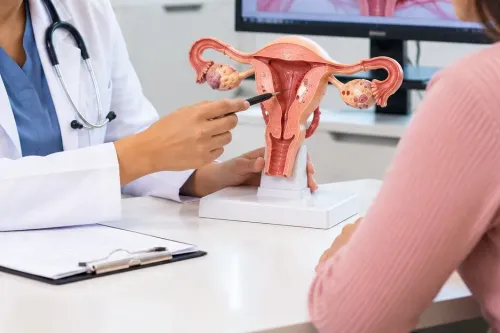
A white discharge treatment in Thane consultation starts with questions, not automatic medication. A clinician will ask when symptoms began, whether the discharge changed in amount, texture or odour, and whether you have itching, burning, pain while urinating or pain during sex. They will also review your menstrual and pregnancy history.
Expect questions about:
- Your last menstrual period, cycle pattern and any bleeding between periods or after sex
- Pregnancy possibility, recent childbirth or breastfeeding
- Contraceptive use, recent antibiotics and diabetes
- New or multiple sexual partners, condom use and possible sexually transmitted infection exposure
Answer sexual-health questions as accurately as you can; they guide examination and protect your privacy. At Eva Bloom Clinic - +919326019481, you can also ask what each examination is intended to find and what happens if symptoms continue.
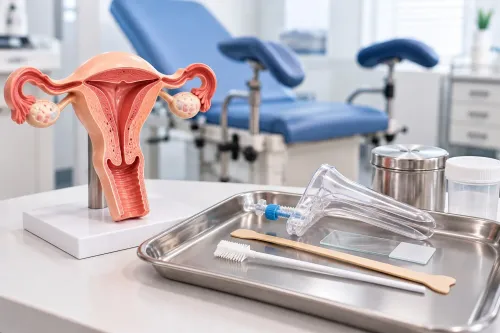
The clinician may inspect the vulva and surrounding skin for redness, swelling, sores, cracks, irritation or visible discharge. A speculum examination is used when the vaginal walls or cervix need direct assessment; the clinician inserts a lubricated instrument gently after explaining the steps, and you can report discomfort.
An abdominal examination checks for tenderness, guarding or swelling. If pelvic pain, abnormal bleeding or pregnancy concerns are present, a pelvic assessment may help identify cervical or uterine tenderness. Tell the white discharge doctor in Thane immediately if pain is severe, you feel faint, or you have fever, vomiting or heavy bleeding.
Related service
White Discharge Treatment ₹1000 Dr Kavita makes accurate diagnosis of the cause such as infections, hormonal imbalance, or cervical issues and provides personalized treatment. View service → |
Which Tests Might You Need Before Treatment?
A clinician chooses tests from your symptoms, examination, pregnancy possibility and exposure risk—not from a fixed checklist. A basic assessment may settle the cause, while persistent, recurrent or unusual symptoms need laboratory confirmation.
| Test | What it helps identify | When it applies |
|---|---|---|
| Vaginal pH | A pH above the usual vaginal range supports bacterial vaginosis or trichomoniasis; it does not diagnose either condition alone. | Fishy odour, thin discharge or suspected infection |
| Potassium-hydroxide whiff test | A fishy odour after potassium hydroxide supports bacterial vaginosis or trichomoniasis. | Watery or odorous discharge |
| Microscopy | Yeast, clue cells and motile trichomonads may be visible in vaginal fluid. | Immediate testing is available |
| Vaginal swab and culture | A swab collects fluid; culture can grow yeast or bacteria and guide treatment. | Recurrent symptoms, treatment failure or an unclear result |
| NAAT | Detects infections such as chlamydia, gonorrhoea and trichomoniasis with high sensitivity. | Cervicitis, new exposure, bleeding after sex or suspected STI |
| Urine testing | Checks a urinary infection and can support some STI testing. | Burning, frequency or urgency |
| Pregnancy test | Changes which medicines and examinations are suitable. | Pregnancy is possible or periods are late |
| Blood-glucose testing | Finds diabetes, which can contribute to recurrent vaginal candidiasis. | Repeated yeast infections or diabetes symptoms |
| Cervical screening | Checks for cervical cell changes; it is not a routine test for every discharge. | Screening is due or the cervix looks abnormal |
An abnormal discharge clinic in Thane may therefore use one test or several. During vaginal discharge treatment in Thane, ask what each test is checking, when results will arrive, and whether persistent symptoms require reassessment rather than repeated self-medication.
How Should You Prepare, and What Treatment May Follow?
Bring a clear symptom timeline and avoid putting anything in the vagina before testing. Record when the discharge began, its colour, odour, thickness and amount, plus itching, burning, pain, bleeding, fever, menstrual dates, pregnancy possibility, new products and recent antibiotics. Tell the clinician about sexual exposure without skipping uncomfortable details.
Before attending an abnormal discharge clinic in Thane, ask whether you should avoid sex, douching, vaginal creams, tampons or internal washing until the examination. Douching can disturb vaginal flora and worsen irritation. Do not start leftover antifungal or antibiotic medicine; it can mask findings and delay the correct diagnosis.
1. Ask what diagnosis is suspected, which test supports it, and whether you need vaginal pH testing, microscopy, a swab, culture, NAAT or urine testing. Not every symptom needs every test.
2. Expect treatment to match the cause: antifungal medicine for confirmed candidiasis, antibiotics for bacterial vaginosis, and prescription treatment for trichomoniasis or another infection. Stop an irritant, or remove a retained tampon, when that is the cause.
3. Ask whether current sex partners need testing or treatment and when sex is safe again. Partner treatment matters for trichomoniasis because an untreated partner can cause reinfection.
4. Arrange follow-up if symptoms persist or return; do not repeatedly self-treat. Seek urgent reassessment for severe pelvic pain, fever, vomiting, fainting, heavy bleeding, genital ulcers or pregnancy-related concerns. A white discharge treatment in Thane consultation should include a clear plan for these warning signs.
Frequently asked questions
When is white discharge normal?
Clear or white discharge is usually physiological when it has no strong odour and causes no itching, burning, pain or bleeding. Texture and amount can change around ovulation, during pregnancy, sexual arousal or hormonal contraception.
What discharge changes should prompt a consultation?
Book a consultation for strong odour, itching, burning, pelvic pain, bleeding, or discharge that becomes yellow, green, grey, frothy, curd-like or otherwise unusual.
What happens during a white discharge consultation in Thane?
A clinician reviews your symptoms, menstrual and sexual-health history, medicines and pregnancy possibility, then decides whether an examination or laboratory testing is needed.
Which tests might be needed for vaginal discharge?
Testing can include a vaginal swab, microscopy, vaginal pH testing, culture or nucleic-acid tests for specific infections. The choice depends on your symptoms and examination findings.
How should you prepare for a white discharge consultation?
Record when symptoms began, their colour, smell and texture, and any itching, pain or bleeding. Bring your medicine list and avoid starting leftover antibiotics or antifungals before assessment.
Keywords