The decision involves more than removing the uterus: you need clarity about the cervix, ovaries, fallopian tubes, surgical route, alternatives, testing, consent and pathology. By the end, you will know what to prepare, what to ask your surgical team, what happens on the operating day and which recovery instructions require prompt medical attention.
Key takeaways
- Ask which alternatives remain before scheduling a hysterectomy.
- Bring every medicine, scan report and previous surgery record to consultation.
- Follow route-specific wound, activity and driving instructions after discharge.
- Confirm pathology results, warning signs and the next follow-up date.
What is decided during the first hysterectomy consultation?
Before a date is booked, the consultation must establish why surgery is needed, which alternatives remain, and which route offers the safest result. Ask, “What does uterus removal surgery include in Thane?” Medicines, hormonal treatment, myomectomy, endometrial ablation or uterine-artery embolisation may suit some patients.
Hysterectomy permanently removes the ability to carry a pregnancy, so discuss fertility-preserving treatment and, in selected cancer cases, egg or embryo preservation first.
| Option | What it means | Main decision |
|---|---|---|
| Total hysterectomy | Uterus and cervix removed | Cervical screening needs review |
| Subtotal or supracervical hysterectomy | Uterus removed; cervix retained | Screening may continue |
| Radical hysterectomy | Uterus, cervix and surrounding tissues removed | Usually considered for suspected or confirmed cancer |
| Abdominal hysterectomy | Removal through a larger abdominal incision | May suit a large uterus or complex anatomy |
| Vaginal hysterectomy | Removal through the vagina | Often considered for prolapse or suitable uterine anatomy |
| Laparoscopic hysterectomy | Keyhole surgery through small incisions | Usually offers faster recovery than open surgery |
| Robotic hysterectomy | Robot-assisted keyhole surgery | Depends on equipment, anatomy and surgeon assessment |
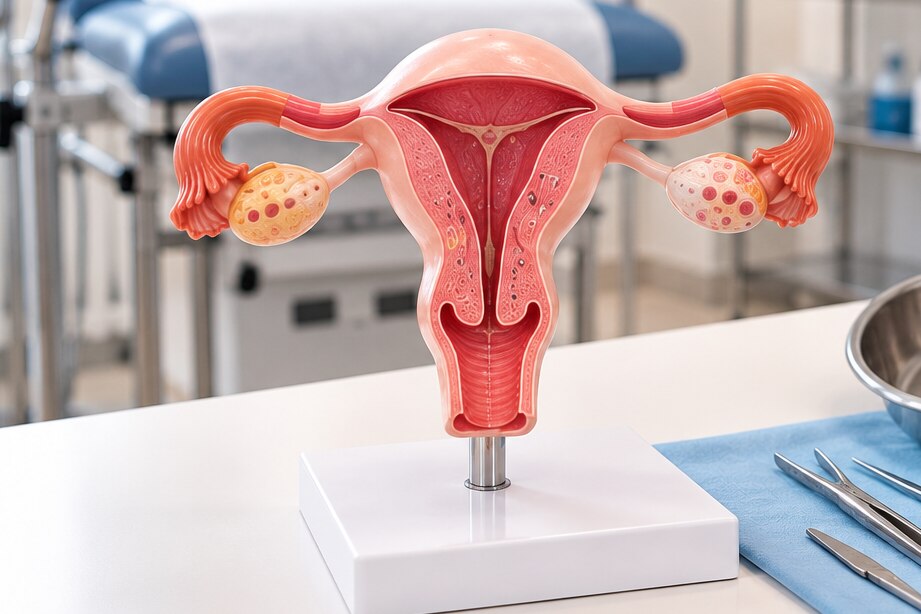
The route for uterus removal surgery in Thane depends on uterine size, pelvic anatomy, previous operations, suspected cancer and the surgeon’s assessment. Removing the uterus does not automatically remove the cervix, fallopian tubes or ovaries. The consent plan must state what stays and what is removed.
Ask how each choice affects menstruation, ovarian hormone production, surgical menopause and ovarian cancer risk. Removing both ovaries causes immediate menopause before natural menopause; preserved ovaries continue producing hormones. Hysterectomy also may not resolve pain arising from the bowel, bladder, pelvic floor, nerves or persistent endometriosis.
Which tests, medicines and consent details come before admission?
Before admission, a hysterectomy consultation in Thane should produce a written checklist, not only a surgery date. Expect a pelvic examination, complete blood count, blood group and type, kidney-function tests, and an anaesthesia review.
Your clinician will add ultrasound or MRI when anatomy or symptoms require it, plus urine testing, pregnancy testing, ECG, or medical clearance when relevant.
| Assessment | What it addresses | When it is used |
|---|---|---|
| Pelvic examination | Uterus, cervix and pelvic findings | Routine surgical planning |
| Ultrasound or MRI | Size, location and surrounding anatomy | When symptoms or examination need clarification |
| Blood and urine tests | Anaemia, blood type, kidney function and infection clues | Before surgery; urine testing when requested |
| ECG or clearance | Heart and general medical fitness | When age, symptoms or conditions warrant it |
| Pregnancy test | A current pregnancy | When pregnancy remains possible |
Disclose these before consent:
- Anticoagulants, antiplatelet medicines, diabetes, hypertension, sleep apnoea, allergies, previous abdominal operations and earlier anaesthetic problems.
- Ask how anaemia will be corrected, whether smoking must stop, how nutrition will be improved and what blood-sugar target applies. Poor control can delay healing or increase complications.
- Ask the hysterectomy surgeon in Thane about surgical volume, planned route, conversion to open surgery, hospital stay, transfusion, bladder, ureter, bowel, clotting and anaesthetic risks, and pathology testing.
Do not stop or alter anticoagulants or other medicines yourself. Eva Bloom Clinic - +919326019481 can help organise records, diagnosis, surgical planning and questions before consent; consultation does not make surgery automatic.
Related service
Uterus Removal Surgery ₹1000 (hysterectomy) can be done for conditions like fibroids, severe bleeding, or chronic pain when medical treatments fail. View service → |
How should you prepare, and what happens on the day of surgery?
The evening before uterus removal surgery in Thane, follow the hospital’s fasting instructions exactly. Ask which prescribed medicines to take with a small sip of water; do not stop blood thinners or diabetes medicines without medical direction. Bathe as instructed, remove jewellery and piercings, and leave valuables at home.
- Arrange an adult escort and confirmed transport home; you should not drive after anaesthesia.
- Take time off work and organise help with children, shopping and household tasks.
- Prepare easy meals, prescribed medicines and a clear, uncluttered walking route at home.
- Keep your identification, test reports, medication list and emergency contact details ready.
On the day, the anaesthetist reviews your medical history, fasting status and anaesthesia plan. General anaesthesia is usually used. A urinary catheter may drain the bladder during the operation. Incisions depend on the route: none externally for vaginal access, several small cuts for laparoscopic or robotic surgery, or one larger abdominal incision.
The surgeon removes the organs listed in your consent plan and sends the uterus, cervix, tubes, ovaries or other tissue for histopathology. Recovery-room staff monitor blood pressure, pulse, oxygen level, urine output, pain, nausea and bleeding.
Early walking supports recovery and reduces clot risk. You may receive compression devices or prescribed anticoagulant injections. A minimally invasive operation can be changed to an open abdominal approach if bleeding, dense adhesions, unexpected anatomy, organ safety or suspected cancer makes continuing unsafe.
How do abdominal, vaginal and laparoscopic recovery plans differ?
Abdominal hysterectomy usually causes more wound discomfort and takes longer to return to routine than vaginal or laparoscopic surgery. Your complications, general health and job demands can change that pattern.
| Route | Practical recovery pattern | Work and activity |
|---|---|---|
| Abdominal | Expect a larger incision, greater soreness and slower lifting progression. Walk early, use stairs carefully and follow wound and bathing instructions. | Desk work may resume before physical work; heavy lifting and strenuous exercise wait for surgical clearance. |
| Vaginal | There is no abdominal incision, but vaginal healing and bowel care remain important. Early walking still reduces clot risk. | Return to desk duties is often easier than after open surgery, while physically demanding work requires more healing. |
| Laparoscopic or robotic | Several small wounds can still hurt, especially when coughing or moving. Keep them clean and dry as instructed, and increase walking gradually. | Work and exercise resume according to symptoms, examination and the surgeon’s limits. |
Take prescribed pain medicines as directed, drink fluids, eat fibre if permitted and prevent constipation without straining. Do not drive until you can brake, turn and control the vehicle without pain and are no longer affected by sedating medicine. The surgeon decides when lifting limits can increase and strenuous exercise can restart.
Do not insert tampons or any other object into the vagina, and avoid vaginal intercourse until healing is adequate. Many instructions use about six weeks, but the operating surgeon’s examination takes priority.
Seek urgent assessment for:
- Heavy or increasing bleeding, fever, worsening abdominal pain or foul-smelling discharge
- Painful urination, leg swelling or pain, chest pain or breathlessness
Early movement helps prevent blood clots; use compression devices or prescribed anticoagulant injections when directed. Never start or stop blood-thinning medicine yourself. A written hysterectomy recovery care in Thane plan should state wound care, medicines, bowel care, activity limits, follow-up and the number to call.
What should follow-up confirm after discharge?
Discharge is a handover, not the end of the surgical process. A written hysterectomy recovery care in Thane plan should state how to clean and inspect the wound, when to take each medicine, how to prevent constipation, which activities are restricted, the follow-up date and a contact number for complications.
At review, ask the team to assess wound healing, pain, urinary difficulty, bowel function, vaginal bleeding and discharge. Confirm when you can drive, return to your specific job, lift heavier objects, exercise and resume sexual activity; the date depends on the operation and your examination.
The removed uterus, cervix, tubes, ovaries or other tissue is sent for histopathology. The report can confirm the diagnosis or identify cancer, precancer or another finding that requires oncology follow-up, so ask when and how you will receive it.
If both ovaries are removed, a premenopausal patient enters immediate surgical menopause. Preserved ovaries continue producing hormones, although ovarian function can decline earlier after hysterectomy; discuss age, symptoms, cancer risk, family history and preferences during your hysterectomy consultation in Thane.
If the cervix remains, cervical screening can continue. Screening may also remain necessary after surgery for cervical disease, even when the cervix was removed.
Before leaving, obtain:
- The operative note and pathology result.
- A medication list, wound instructions, bowel guidance and activity restrictions.
- The follow-up date and clear instructions for seeking help, including the complication contact number.
Frequently asked questions
What is decided during the first hysterectomy consultation?
The consultation establishes why hysterectomy is recommended, reviews alternatives such as medicines, hormonal treatment, myomectomy, endometrial ablation or uterine-artery embolisation, and compares abdominal, vaginal and laparoscopic routes.
Which tests, medicines and consent details come before admission?
Preoperative planning can include blood tests, urine testing, pregnancy testing when relevant, imaging review, medication instructions and consent covering the procedure, anaesthesia, risks, route and possible removal of the cervix, fallopian tubes or ovaries.
How should you prepare, and what happens on the day of surgery?
Prepare by following fasting and medicine instructions, arranging transport and home support, and bringing identification and medical records. On surgery day, the team confirms your procedure, completes anaesthesia checks and provides postoperative instructions.
How do abdominal, vaginal and laparoscopic recovery plans differ?
Abdominal hysterectomy usually involves a larger incision and longer activity restrictions. Vaginal surgery avoids an abdominal incision, while laparoscopic surgery uses small incisions; wound care, lifting limits, driving and return-to-work timing depend on the route and your progress.
What should follow-up confirm after discharge?
Follow-up should review wound or vaginal healing, pain and bleeding, bowel and bladder function, pathology results, activity restrictions, warning signs and the date when sexual activity, exercise or work can safely resume.
Keywords