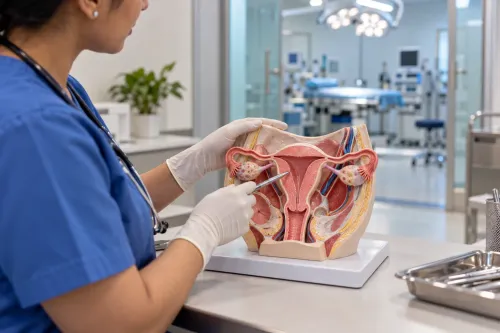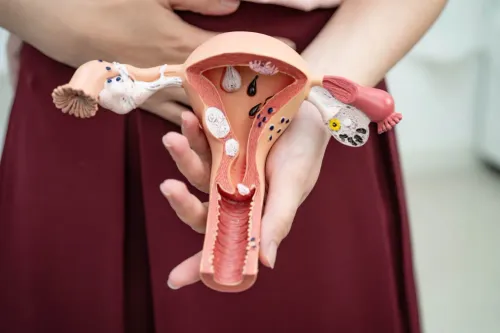
Choosing a surgeon for hysterectomy involves more than looking for someone who performs the operation. Patients need clarity about why the uterus should be removed, which surgical approach is appropriate and how their overall health will be managed before and after the procedure.
When searching for a Uterus Removal Surgery Doctor in Thane, it helps to evaluate the consultation itself rather than relying only on broad claims about experience or technology.
Start With the Diagnosis
A surgical discussion should begin with a clear explanation of the condition being treated.
Hysterectomy may be considered for significant fibroid symptoms, adenomyosis, persistent abnormal bleeding, prolapse and certain other gynecological conditions. However, not every fibroid, painful period or episode of heavy bleeding requires removal of the uterus.
Ask the surgeon to explain what is causing your symptoms and how confidently that diagnosis has been established.
Ask Why Hysterectomy Is Preferred
The next question is straightforward: why this operation?
Depending on the condition, uterus-preserving options may exist. These could include medication or other procedures in appropriately selected cases.
If alternatives are unsuitable, the doctor should be able to explain why. A good surgical decision is based on the patient's diagnosis and priorities, not simply the availability of a procedure.
Understand the Surgical Route
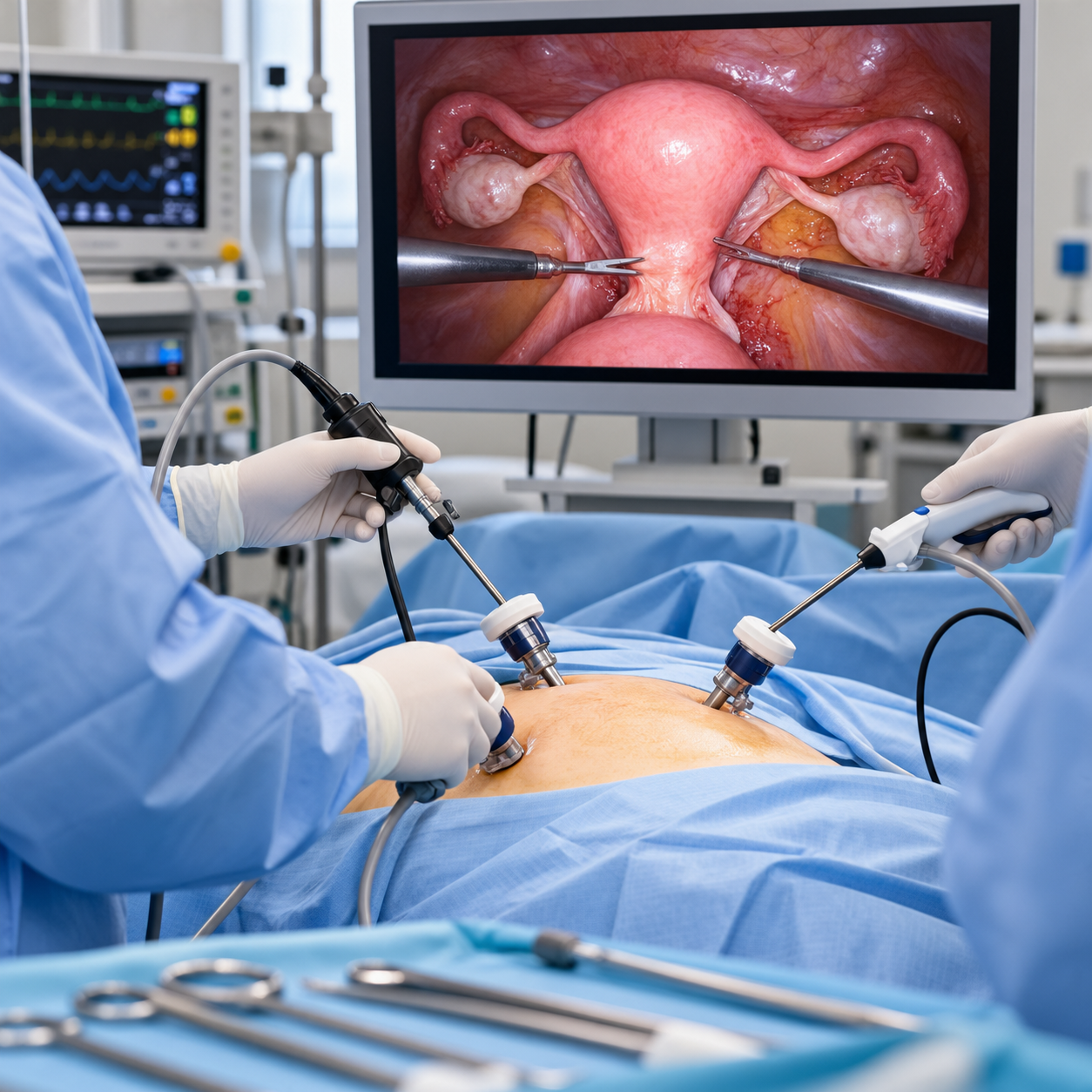
Hysterectomy may be performed laparoscopically, vaginally or through an open abdominal incision.
Ask:
- Which approach is recommended for me?
- Why does my condition suit that approach?
- Is minimally invasive surgery appropriate?
- Could previous abdominal surgery affect the plan?
- What circumstances might require a change in approach?
The smallest incision is not automatically the only measure of good surgery. Safety and suitability remain central.
Clarify What Will Actually Be Removed
Patients sometimes assume 'uterus removal' means removal of every reproductive organ. It does not.
Ask whether the cervix, fallopian tubes or ovaries are expected to be removed and why.
Ovarian preservation is particularly important to discuss in women who have not reached menopause because removing both ovaries can cause surgical menopause.
Discuss Recovery Before Surgery
A useful consultation should include realistic information about recovery.
Ask about expected hospital stay, pain management, wound care, activity restrictions and when you may be able to resume driving, work, exercise and sexual activity.
Recovery varies according to the surgical approach and the individual patient's health.
Review Medical Conditions and Medications
Tell the surgeon about diabetes, high blood pressure, anaemia, previous blood clots, allergies and all medicines or supplements being taken.
This information affects surgical and anaesthesia planning.
Look for Clear Communication
Patients should understand the benefits, limitations and recognised risks of the procedure before giving consent. It should also be clear what symptoms after surgery require medical attention and how follow-up will be arranged.
For women considering hysterectomy in Thane and nearby areas of Maharashtra, accessibility for postoperative reviews can be an important practical consideration.
At Eva Bloom Clinic, women considering gynecological surgery can have their symptoms, investigations and treatment options reviewed before deciding on the next step.
Choosing a uterus removal surgery doctor is ultimately about finding an approach based on appropriate diagnosis, thoughtful procedure selection and clear communication. When you leave the consultation, you should understand not only what operation has been proposed, but why it fits your situation and what to expect throughout recovery.
Keywords