Trying for a baby often begins with simple advice: track the fertile window, maintain a healthy lifestyle and have regular intercourse. Those measures are useful, but preconception health involves more than predicting ovulation.
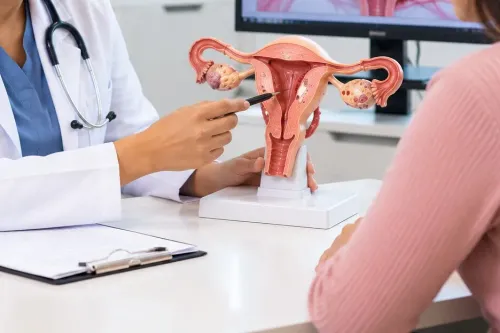
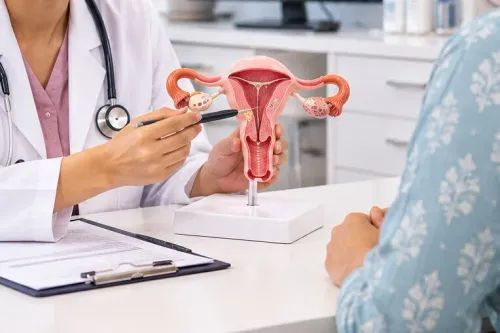
Speaking with a Trying to Conceive Doctor in Thane can be particularly helpful for women who have irregular cycles, an existing medical condition, previous pregnancy complications or questions about medications and reproductive health.
Start With Your Menstrual Cycle
The menstrual cycle provides useful information about reproductive health.
Women with fairly predictable cycles may find it easier to estimate the fertile window. When cycles vary considerably from month to month, ovulation may also be inconsistent.
Keep a simple record of:
- First day of each period
- Average cycle length
- Unusually long or short cycles
- Mid-cycle symptoms if noticed
- Unexpected spotting
- Very heavy or painful periods
This information can be more useful during a medical consultation than relying on memory.
Review Medicines and Supplements
Pregnancy planning is an appropriate time to review regular medicines, over-the-counter products and supplements.
Some medicines may need adjustment before pregnancy, while others should not be stopped suddenly. A doctor can determine whether existing treatment is suitable while trying to conceive.
Folic acid is commonly recommended before conception because adequate folate around the time of conception and early pregnancy helps reduce the risk of neural tube defects. The appropriate dose can vary according to individual risk factors.
Check Existing Health Conditions
Pregnancy places additional demands on the body. Conditions such as diabetes, hypertension, thyroid disorders and epilepsy may require preconception planning.
The aim is to enter pregnancy with medical conditions appropriately managed and medications reviewed where necessary.
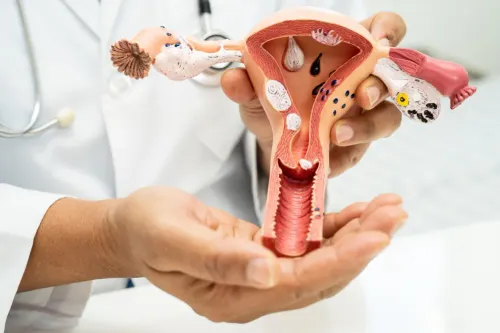
Women with PCOS, previous ectopic pregnancy, endometriosis or previous pelvic surgery may also benefit from discussing whether any additional fertility assessment is appropriate.
Understand the Fertile Window Without Becoming Overdependent on Apps
Pregnancy is most likely around ovulation, but ovulation does not necessarily happen on exactly the same cycle day every month.
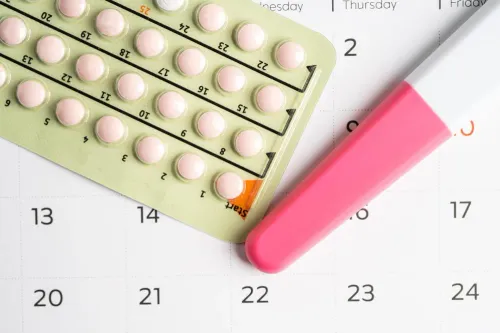
Calendar apps calculate predictions from previous cycles. They can be useful planning tools, but they cannot guarantee the exact day an egg is released.
Regular intercourse through the fertile portion of the cycle is generally more practical than focusing on a single predicted day.
Consider Both Partners' Health
Preconception preparation is not exclusively a women's health issue.
Smoking, excessive alcohol consumption, certain medications, obesity, heat exposure and some medical conditions can influence male reproductive health. When conception is delayed, evaluating both partners can prevent months of unnecessary assumptions.
Know When Waiting Is No Longer the Best Strategy
Women under 35 are commonly advised to consider fertility evaluation after 12 months of regular unprotected intercourse without conception. For women aged 35 and above, assessment is generally considered earlier, often after six months.
Evaluation may be appropriate sooner if periods are absent or very irregular, there is known endometriosis, previous pelvic disease exists or another fertility concern is already known.
For women and couples in Thane and neighbouring parts of Maharashtra, a preconception consultation can provide an opportunity to review these issues before pregnancy occurs.
At Eva Bloom Clinic, pregnancy planning can include discussion of menstrual patterns, medical history, previous pregnancies and factors that may affect conception or pregnancy health.
Preconception care is ultimately about preparation rather than predicting exactly when pregnancy will happen. Knowing which health factors deserve attention, understanding the menstrual cycle and recognising when fertility assessment is appropriate can help couples approach conception with clearer expectations and better information.
Keywords