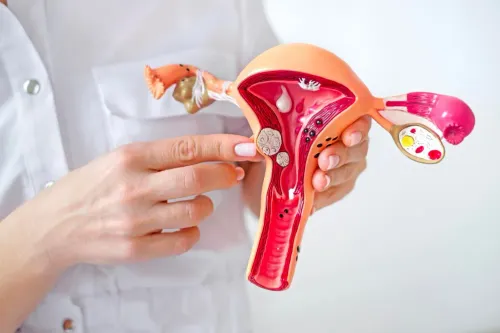
Menopause is a natural stage in every woman's life, but the symptoms can vary significantly from person to person. While some women experience only mild discomfort, others may face persistent hot flashes, sleep disturbances, mood changes, or changes in bone and heart health. Consulting a Menopause Treatment Specialist in Thane can help you understand these changes and receive personalized care that supports your physical and emotional well-being.
Menopause is not an illness. However, the hormonal changes associated with it can affect daily life, making professional guidance valuable for managing symptoms effectively.
What Is Menopause?
Menopause is diagnosed after a woman has gone 12 consecutive months without a menstrual period. It usually occurs between the ages of 45 and 55, although the timing varies.
The transition leading up to menopause, known as perimenopause, may last several years. During this time, hormone levels fluctuate, leading to irregular periods and other symptoms.
Common Symptoms of Menopause
Women may experience one or several symptoms, including:
- Hot flashes
- Night sweats
- Irregular menstrual cycles
- Vaginal dryness
- Mood changes
- Difficulty sleeping
- Reduced libido
- Joint aches
- Weight gain
- Difficulty concentrating
Symptoms differ in severity and duration, making individualized treatment important.
Why Do Symptoms Occur?
Menopause is primarily caused by a gradual decline in estrogen and progesterone production by the ovaries. These hormonal changes affect multiple body systems, including:
- Reproductive health
- Bone strength
- Cardiovascular health
- Urinary health
- Emotional well-being
Understanding these changes helps women make informed health decisions during midlife.
How Is Menopause Managed?
Treatment depends on the severity of symptoms, overall health, and personal preferences.
Lifestyle Measures
Simple daily habits often provide noticeable relief.
These include:
- Regular physical activity
- Calcium-rich nutrition
- Adequate Vitamin D intake
- Good sleep hygiene
- Stress management
- Maintaining a healthy weight
Medical Management
For women with moderate to severe symptoms, doctors may recommend individualized treatment options after evaluating medical history and potential risk factors.
Management may include:
- Hormonal therapy when appropriate
- Non-hormonal medications
- Vaginal therapies for dryness
- Bone health support
- Regular preventive health screenings
Importance of Preventive Care During Menopause
Menopause is an ideal time to focus on long-term health.
Your gynecologist may recommend:
- Bone density assessment
- Blood pressure monitoring
- Blood sugar evaluation
- Lipid profile
- Breast examinations
- Cervical cancer screening
- Routine gynecological check-ups
Preventive care supports healthy aging and early detection of potential health concerns.
When Should You Consult a Specialist?
Seek medical advice if menopause symptoms:
- Affect your quality of life
- Disrupt sleep regularly
- Cause heavy or irregular bleeding
- Lead to persistent mood changes
- Cause severe vaginal discomfort
- Occur before the age of 40
Early consultation helps identify whether symptoms are related to menopause or another medical condition.
Menopause Care in Thane
Women in Thane, Maharashtra, benefit from consulting experienced gynecologists who provide personalized menopause management rather than a one-size-fits-all approach. At Eva Bloom Clinic, treatment plans are developed after understanding each patient's symptoms, medical history, and long-term health goals, helping women navigate menopause with greater comfort and confidence.
Frequently Asked Questions
Is menopause a disease?
No. It is a natural biological stage in a woman's life.
Can menopause symptoms be treated?
Yes. Lifestyle modifications and medical treatments can help manage symptoms effectively.
Does menopause increase the risk of osteoporosis?
Yes. Reduced estrogen levels can contribute to bone loss, making bone health monitoring important.
Should I continue visiting a gynecologist after menopause?
Yes. Regular gynecological check-ups remain important for preventive healthcare and screening.
Menopause marks a new phase of life rather than the end of good health. With timely medical guidance and healthy lifestyle choices, women can continue to lead active, fulfilling, and healthy lives.
Keywords