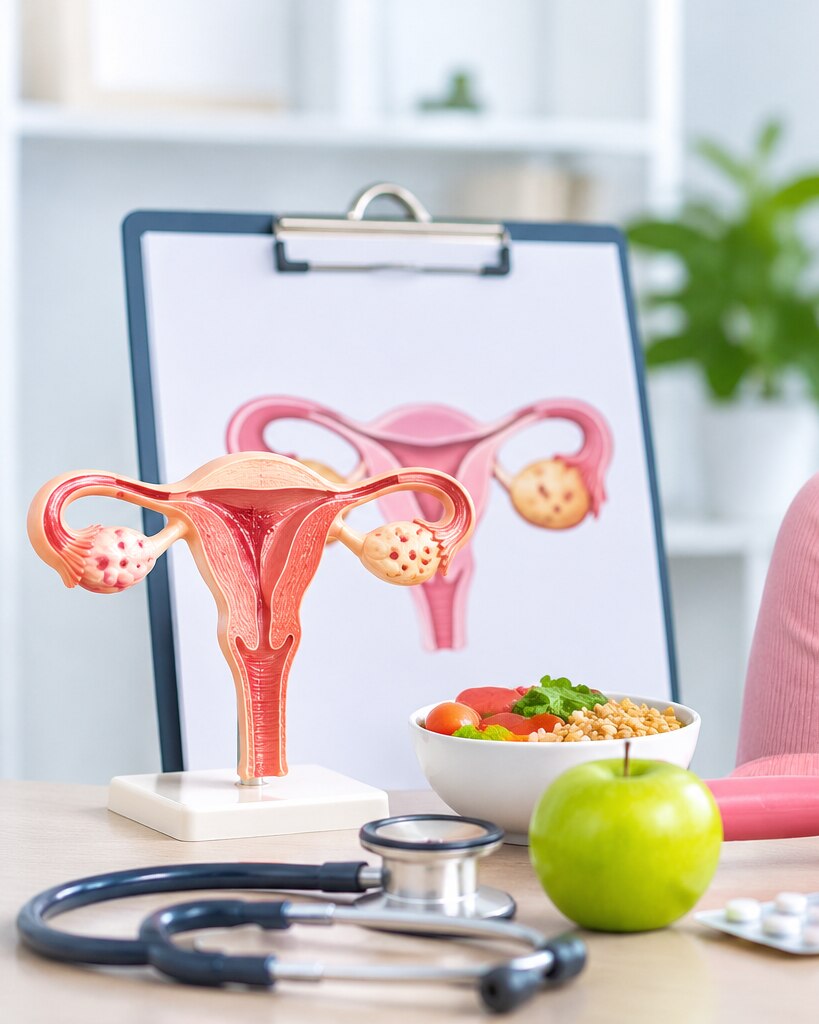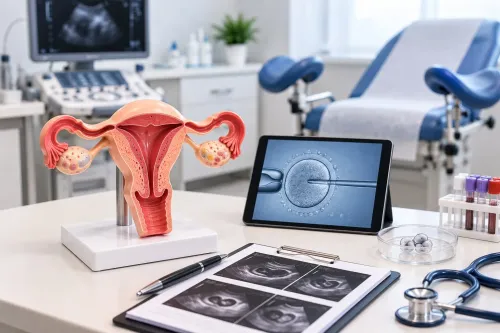
A first family-planning visit is more than choosing a contraceptive: the clinician checks your pregnancy risk, health history, preferences and safety before documenting a plan. By the end, you should know how the method works, what it requires, which symptoms need attention and when to contact the clinic again.
Key takeaways
- Bring your medical history, current medicines and questions about pregnancy timing.
- Ask how each method compares for effort, duration, effectiveness and STI protection.
- Report severe pain, heavy bleeding or fever after device insertion.
- Arrange follow-up before leaving, especially after starting or changing contraception.
Your first visit: registration, questions and pregnancy goals
Your first visit starts with registration, followed by a private discussion about your pregnancy goals. This is the practical starting point for understanding what happens during family planning services in Thane.
1. The clinician asks why you are seeking care: do you want to prevent pregnancy now, wait for a particular period, remain undecided, or change your current method? They record your preferred timing, pregnancy plans and consent so the recommendation fits your life.
2. Expect questions about previous pregnancies, deliveries, abortions or miscarriages; the date of your last menstrual period and cycle regularity; breastfeeding and your delivery date; sexual activity and possible sexually transmitted infection exposure; smoking; migraines; blood clots; high blood pressure; liver disease; breast conditions; allergies; and every medicine or supplement you take.
3. Tell the clinician what matters to you, including privacy, whether you want a partner involved, and concerns about pain, bleeding, weight, hormones or fertility after stopping. Ask how quickly fertility is expected to return if you stop or remove a method, and what to do if side effects occur.
You do not have to accept a method because a partner or clinician recommends it. You can ask questions, decline an option, or take time to decide. The opening discussion is confidential and should lead to an informed choice, not a one-size-fits-all prescription.
How the clinician checks that contraception is safe for you
The clinician first checks whether your health history makes a method unsafe, then rules out pregnancy before prescribing or inserting it. This is a central part of the family planning consultation process in Thane.
1. Your blood pressure is measured before an oestrogen-containing combined pill, patch or ring is prescribed. The clinician applies the WHO Medical Eligibility Criteria and asks about migraine with aura, previous blood clots, significant hypertension, breast cancer, liver disease, smoking at older ages, recent delivery and breastfeeding.
2. Most methods do not require a pelvic examination, blood test or cervical screening before you begin. Symptoms, STI exposure, or the method selected determine whether an examination or testing is useful.
3. Pregnancy assessment covers your last menstrual period, cycle pattern, recent unprotected sex, pregnancy symptoms, breastfeeding or postpartum status, and whether contraception was used correctly.
Request a urine pregnancy test before starting or inserting a method if your period is late, cycles are irregular, pregnancy symptoms are present, or unprotected sex occurred and pregnancy cannot be reasonably excluded.
4. If unprotected sex has already happened, ask promptly about emergency contraception. A copper intrauterine device or emergency contraceptive pill may be suitable; neither ends an established pregnancy.
5. Breastfeeding alone protects against pregnancy only when all lactational-amenorrhoea criteria apply: your baby is under six months, your periods have not returned, and you breastfeed fully or nearly fully, including day and night. Ovulation can happen before the first postpartum period.
Comparing methods by effort, duration, effectiveness and protection
At a birth control counselling appointment in Thane, compare four practical questions: how much effort the method needs, how long it lasts, how quickly fertility returns, and whether it reduces STI transmission.
| Option | Effort and duration | Reversibility and key trade-off |
|---|---|---|
| Condoms | Correct use during every act; short-term | Immediately reversible; only listed option that also reduces HIV and other STI transmission |
| Combined or progestogen-only pills | Regular dosing; ongoing | Reversible; missed pills reduce protection |
| Emergency contraception | Used after unprotected sex; time-sensitive | Not routine contraception; does not end an established pregnancy |
| Injection | Repeat visits; each dose lasts for a set interval | Reversible; irregular bleeding is possible and ovulation can take longer to return |
| Implant | Brief insertion; provides years of contraception | Reversible after removal; requires insertion and removal |
| Copper-T | One procedure; long-term, hormone-free contraception | Reversible; cramps or menstrual bleeding can increase |
| Hormonal intrauterine system | One procedure; long-term contraception | Reversible; bleeding commonly becomes lighter after adjustment |
| Permanent sterilization | One procedure; permanent contraception | Reversal is difficult and unreliable; requires the strongest commitment |
Use condoms with a pill, injection, implant or intrauterine method when STI exposure is possible. Emergency contraception belongs after unprotected sex, not in a routine schedule.
The clinician also compares side effects, cost and appointment effort against your priorities. Ask when backup contraception is needed and what to do if you miss a dose, remove a method or want to switch.
What happens during Copper-T or other device insertion
Before any device enters the uterus, the provider confirms that pregnancy is not present, asks about bleeding patterns and STI symptoms, and discusses your choices. They explain uncommon risks, including expulsion, infection and uterine perforation, then record your informed consent.
This is what happens during family planning services in Thane when an intrauterine device is suitable.
1. You lie on an examination couch. The provider examines your cervix, cleans the area, measures the uterine cavity with a sterile uterine sound and places the Copper-T or other device through an insertion tube.
2. Cramping can be mild or strong for a few minutes. Ask before insertion about pain-relief options and tell the provider if the discomfort becomes difficult to manage.
3. The provider trims the strings and shows you how they may feel. Checking them is optional, but seek advice if a string is missing, longer or shorter than before, or feels changed.
4. Return to routine activity when you feel comfortable. Seek urgent care for severe or worsening pelvic pain, fever, foul-smelling discharge, very heavy bleeding, fainting, suspected pregnancy or a device that comes out.
Routine antibiotics are not used solely for insertion. Active cervicitis or untreated gonorrhoea or chlamydia needs treatment and a separate insertion plan. Follow-up is arranged when symptoms, concerns or a device check require it.
Choosing a clinic, changing methods and arranging follow-up in Thane
After choosing a method, leave with a start date, instructions for backup contraception, warning symptoms and a named contact for questions. If you are undecided or unhappy with side effects, you can request a review and change methods; you do not need to continue a method that does not suit you.
Before booking a family planning clinic in Thane, confirm:
- Your preferred method is available
- Pregnancy assessment and emergency contraception are provided
- STI evaluation and postpartum counselling are available
- Implant and intrauterine device insertion and removal are offered
- The clinic protects privacy and provides language support
- You have a contact for side effects and method problems
- Same-day procedures are possible, if that matters to you
Availability differs between facilities, so confirm rather than assume. A follow-up visit is not automatically required for every pill, condom or injection, but you need clear instructions on missed doses, repeat injection dates, backup contraception and when to return.
| Situation | What to do | Why it matters |
|---|---|---|
| Mild irregular bleeding | Track it and ask for advice if it persists or troubles you | Common with several progestogen-only methods; it does not automatically mean failure |
| Severe or persistent side effects | Arrange an earlier review | The method may need treatment or replacement |
| Suspected pregnancy or inability to use the method | Contact the clinic promptly | You may need pregnancy assessment and another contraceptive plan |
| Implant or intrauterine device concern | Seek assessment for pain, fever, heavy bleeding or a changed device | These symptoms need prompt review |
Fertility usually returns quickly after stopping pills or removing an implant or intrauterine device; injections can delay ovulation. A reproductive planning doctor in Thane, such as Eva Bloom Clinic - +919326019481, can document consent and create a review plan without pressuring you.
Related services
Family Planning Services ₹1000 Dr. Kavita provides expert guidance on contraception, Copper-T insertion, hormonal methods and permanent sterilization procedures. View service → |
Preconception Counselling ₹1000 at Eva Bloom Clinic, Thane is guided by Dr. Kavita Velankar to help couples plan a healthy pregnancy. View service → |
Frequently asked questions
What happens during a family planning consultation in Thane?
Your visit begins with registration and a private discussion about your pregnancy goals. The clinician asks about your health, menstrual history, medicines and contraception preferences before discussing suitable options.
How does a clinician check whether contraception is safe for me?
The clinician reviews your medical history, current medicines, pregnancy possibility and factors that affect contraceptive choice. Answer questions about migraines, blood pressure, blood clots, smoking, breastfeeding and previous complications accurately.
How should I compare contraception methods?
Compare each method by the effort it requires, how long it lasts, effectiveness, reversibility, side effects and whether it protects against sexually transmitted infections. Condoms provide STI protection; Copper-T and other devices do not.
What happens during Copper-T insertion?
The clinician confirms that insertion is appropriate, explains the procedure and obtains your consent. A device is placed through the cervix into the uterus, followed by instructions about expected cramping, warning signs and follow-up.
When should I arrange follow-up after changing contraception?
Ask when to return before you leave the clinic. Contact the clinic sooner for severe or worsening pain, heavy bleeding, fever, fainting or other symptoms that concern you.
Keywords