Being advised to consider a hysterectomy can raise immediate questions about necessity, recovery, hormones and future health. Because hysterectomy permanently removes the uterus, it deserves a careful discussion of the reason for surgery and whether other suitable options exist.
Women evaluating Hysterectomy Surgery in Thane can make a more informed decision by understanding what the procedure involves and what questions to ask before scheduling it.
What Is a Hysterectomy?
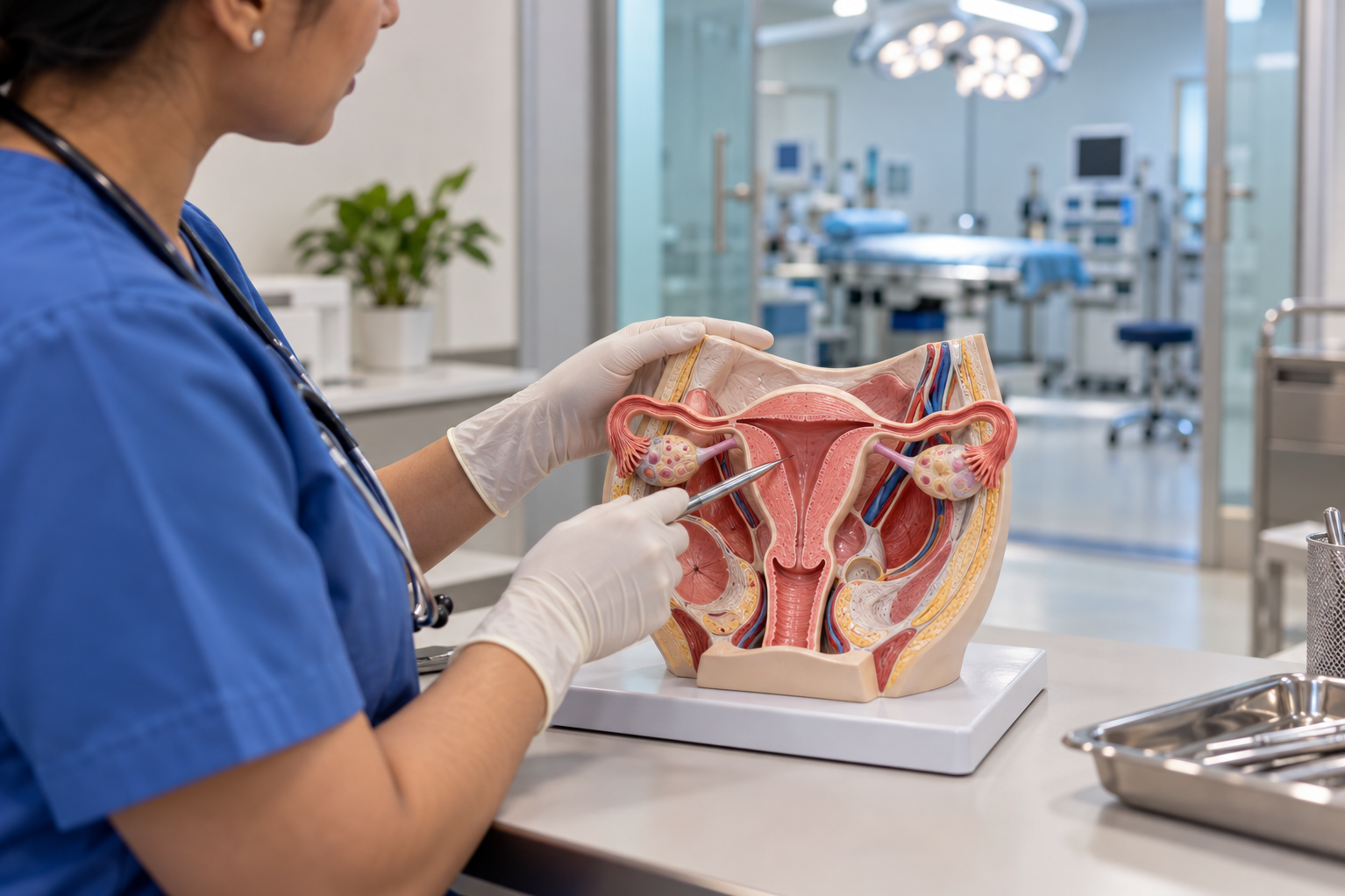
A hysterectomy is an operation to remove the uterus. After the procedure, menstrual periods stop and pregnancy can no longer be carried.
The exact operation can vary. Depending on the medical indication, the cervix may or may not be removed. Removal of the uterus also does not automatically mean removal of the ovaries.
That distinction is important because the ovaries produce hormones before natural menopause.
Why Might Hysterectomy Be Recommended?
A gynecologist may consider hysterectomy for conditions such as:
- Fibroids causing substantial symptoms
- Persistent abnormal uterine bleeding
- Adenomyosis in selected cases
- Uterine prolapse
- Certain precancerous or cancerous conditions
- Persistent pelvic problems where hysterectomy is clinically appropriate
The recommendation should be based on the diagnosis, severity of symptoms, previous treatments and the woman's reproductive plans.
Are There Alternatives?
Sometimes there are, and sometimes hysterectomy is the most appropriate option.
For fibroids, alternatives may include medication or procedures that preserve the uterus in suitable patients. Certain causes of heavy bleeding can also be managed medically or with less extensive procedures.
Whether these options are suitable depends on the underlying condition. An alternative is only useful if it can reasonably address the patient's problem.
Laparoscopic, Vaginal or Open Surgery
Hysterectomy can be performed through different surgical approaches.
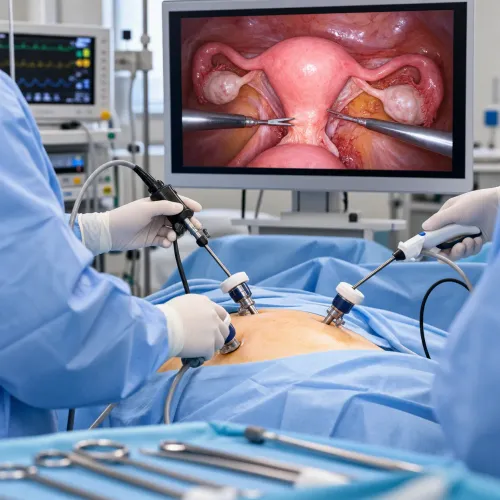
A laparoscopic hysterectomy uses small abdominal incisions and specialised instruments. A vaginal hysterectomy removes the uterus through the vagina. Open abdominal surgery uses a larger abdominal incision.
The appropriate method depends on factors such as the diagnosis, uterine size, previous surgery, anatomy and complexity of the case.
Minimally invasive surgery can offer recovery advantages for appropriately selected patients, but suitability should be assessed individually.
Questions to Ask the Surgeon
Before consenting to surgery, consider asking:
- What is the exact diagnosis?
- Why is hysterectomy being recommended?
- Are reasonable uterus-preserving alternatives available?
- Will my cervix be removed?
- Will my ovaries be preserved?
- Which surgical approach is recommended and why?
- How long is the expected recovery?
- What complications should I understand?
- When can I return to work, exercise and sexual activity?
A clear preoperative discussion should answer these questions in terms relevant to the individual patient.
Preparing for Surgery
Preoperative preparation may include blood tests, imaging, anaesthesia assessment and review of medications. Conditions such as diabetes, hypertension and anaemia may need optimisation before surgery.
Women should also arrange practical support at home for the early recovery period.
For patients considering hysterectomy in Thane, Maharashtra, Eva Bloom Clinic can evaluate gynecological symptoms and discuss whether surgical treatment is appropriate in the context of diagnosis and reproductive goals.
Hysterectomy can provide meaningful relief when performed for an appropriate indication, but it should never feel like a decision made solely because a scan showed a fibroid or because periods are troublesome. Understanding the diagnosis, alternatives, surgical approach and implications of the operation gives women a stronger foundation for making the choice.
Keywords