Hormones influence nearly every aspect of a woman's health, from menstrual cycles and fertility to metabolism, mood, skin, and bone health. When hormone levels become imbalanced, the symptoms may seem unrelated at first, making diagnosis challenging. Seeking Hormonal Imbalance Treatment for Women in Thane allows women to identify the underlying cause and receive treatment that addresses the root problem rather than only managing symptoms.
Hormonal changes are common at different stages of life, including puberty, pregnancy, and menopause. However, persistent symptoms should not be ignored, especially when they begin affecting daily activities or overall well-being.
What Causes Hormonal Imbalance?
Hormonal imbalance is not a disease itself but a sign that one or more hormone-producing glands are not functioning as expected.
Possible causes include:
- Polycystic Ovary Syndrome (PCOS)
- Thyroid disorders
- Perimenopause and menopause
- Pregnancy-related hormonal changes
- Stress
- Obesity
- Diabetes
- Certain medications
- Adrenal gland disorders
Identifying the exact cause is essential before starting treatment.
Common Symptoms
Symptoms vary depending on the hormones involved.
Women may notice:
- Irregular periods
- Heavy or light menstrual bleeding
- Missed periods
- Acne
- Hair thinning or excessive facial hair growth
- Sudden weight changes
- Mood swings
- Fatigue
- Sleep disturbances
- Reduced libido
- Difficulty conceiving
Since these symptoms overlap with several medical conditions, professional evaluation is important.
How Is Hormonal Imbalance Diagnosed?
A gynecologist usually begins with a detailed medical history and physical examination.
Investigations may include:
- Blood hormone tests
- Thyroid function tests
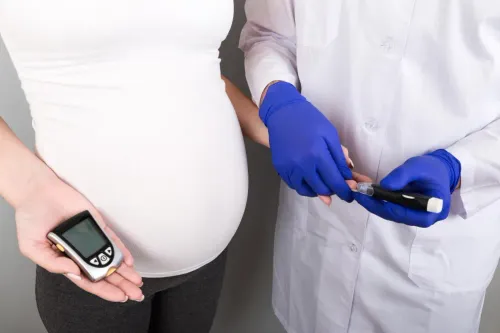
- Blood sugar evaluation
- Pelvic ultrasound
- Vitamin deficiency assessment when indicated
These tests help determine whether symptoms are related to reproductive hormones, thyroid function, or other health conditions.
Treatment Is Based on the Underlying Cause
Management differs from one woman to another.
Possible treatment approaches include:
Lifestyle Modification
Healthy habits can improve hormone balance in many women.
Recommendations may include:
- Balanced nutrition
- Regular exercise
- Weight management
- Adequate sleep
- Stress reduction
Medical Therapy
Depending on the diagnosis, medicines may be prescribed to regulate menstrual cycles, improve thyroid function, manage insulin resistance, or relieve menopause-related symptoms.
Ongoing Monitoring
Hormonal disorders often require periodic follow-up to assess treatment response and adjust management when necessary.
Daily Habits That Support Hormonal Health
Simple lifestyle practices can complement medical treatment.
Helpful habits include:
- Eating regular, nutrient-rich meals
- Limiting processed foods and excess sugar
- Staying physically active
- Drinking enough water
- Maintaining a healthy body weight
- Managing emotional stress through relaxation techniques
These measures support overall health while working alongside prescribed treatment.
When Should You See a Specialist?
Consult a gynecologist if you experience:
- Persistent menstrual irregularities
- Difficulty becoming pregnant
- Sudden changes in weight
- Frequent mood changes
- Persistent acne in adulthood
- Hot flashes before the expected age of menopause
- Excessive hair growth or hair loss
Early diagnosis often makes treatment more effective and helps prevent long-term complications.
Personalized Women's Healthcare in Thane
Women seeking comprehensive hormonal evaluation in Thane, Maharashtra, benefit from individualized assessments that consider age, reproductive goals, lifestyle, and medical history. At Eva Bloom Clinic, hormonal health is approached through detailed evaluation and evidence-based treatment plans designed to improve both immediate symptoms and long-term well-being.
Frequently Asked Questions
Can hormonal imbalance affect fertility?
Yes. Certain hormonal disorders may interfere with ovulation, making conception more difficult. Appropriate treatment often helps improve reproductive health.
Is hormonal imbalance always related to PCOS?
No. Thyroid disorders, menopause, stress, and several other conditions may also affect hormone levels.
Can lifestyle changes alone correct hormonal imbalance?
Some women improve with lifestyle modifications, while others require medical treatment depending on the underlying diagnosis.
How long does treatment usually take?
The duration varies according to the cause, severity of symptoms, and individual response to treatment.
Hormonal health influences every stage of a woman's life. Identifying symptoms early and receiving appropriate medical care can help restore balance, improve quality of life, and support long-term reproductive and overall health.
Keywords