Pregnancy is an exciting phase, but not every pregnancy follows the same path. Some women need additional monitoring because of medical conditions, pregnancy-related complications, or previous obstetric history. Consulting a High Risk Pregnancy Specialist in Thane helps ensure that both mother and baby receive appropriate care throughout pregnancy.
A high-risk pregnancy does not always mean there will be complications. It simply means that closer observation, timely investigations, and personalised medical guidance can help reduce potential risks and support a healthy pregnancy.
What Makes a Pregnancy High Risk?
A pregnancy may be considered high risk if certain factors increase the possibility of complications. These may exist before pregnancy or develop as it progresses.
Some common reasons include:
- High blood pressure
- Diabetes before or during pregnancy
- Thyroid disorders
- Twin or multiple pregnancy
- Previous miscarriage or preterm birth
- Maternal age above 35 years
- Obesity
- Placental abnormalities
- Kidney or heart disease
Many women with these conditions have healthy pregnancies when they receive regular prenatal care.
Signs That Should Be Evaluated Promptly
While mild discomfort is common during pregnancy, some symptoms should never be ignored.
Seek medical attention if you notice:
- Heavy vaginal bleeding
- Severe abdominal pain
- Persistent headache with blurred vision
- Sudden swelling of the face or hands
- Reduced baby's movements
- Leakage of fluid before labour
- High fever or severe vomiting
Early evaluation allows doctors to identify the cause and provide appropriate treatment if required.
How a Specialist Supports High-Risk Pregnancies
Women with high-risk pregnancies usually require more frequent antenatal visits than routine pregnancies.
Depending on individual needs, your doctor may recommend:
- Detailed ultrasound scans
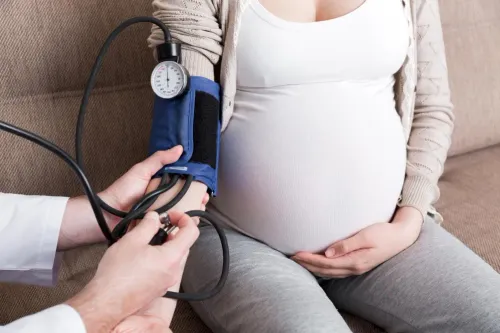
- Blood pressure monitoring
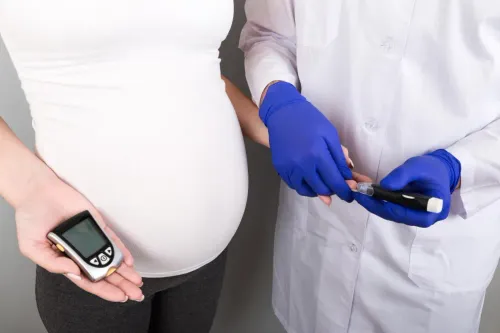
- Blood sugar testing
- Fetal growth assessments
- Doppler studies
- Regular laboratory investigations
- Non-stress tests during the later stages of pregnancy
These evaluations help monitor both maternal health and the baby's development throughout pregnancy.
Healthy Habits That Support Pregnancy
Medical care works best when combined with healthy daily habits.
Expectant mothers are generally encouraged to:
- Attend every scheduled prenatal appointment.
- Take prescribed medications and supplements regularly.
- Eat a balanced diet rich in iron, calcium, protein, and folic acid.
- Stay hydrated and get adequate rest.
- Avoid smoking, alcohol, and self-medication.
- Report any unusual symptoms without delay.
Following medical advice consistently can help improve pregnancy outcomes.
Planning for a Safe Delivery
Every high-risk pregnancy is different, so delivery planning is personalised. Your obstetrician will consider your medical history, baby's growth, and overall pregnancy progress before deciding the safest time and mode of delivery.
Having a clear birth plan also helps families understand what to expect during labour, delivery, and postnatal care.
Eva Bloom Clinic provides comprehensive pregnancy care for women in Thane, including evaluation and management of high-risk pregnancies. By combining regular monitoring with evidence-based obstetric care, the clinic focuses on supporting the health and well-being of both mother and baby throughout every stage of pregnancy.
With timely prenatal check-ups, appropriate investigations, and expert medical guidance, many women with high-risk pregnancies go on to have healthy pregnancies and safe deliveries. Early consultation allows potential concerns to be identified and managed before they become more serious, helping parents approach childbirth with greater confidence and reassurance.
Keywords