A heavy period is sometimes dismissed as something a woman simply has to tolerate. Repeated excessive menstrual bleeding, however, can affect energy levels, daily activities and iron stores, and it can occasionally point to an underlying gynecological or medical condition.
A consultation with a Heavy Bleeding Treatment Doctor in Thane is particularly relevant when bleeding has changed from the usual pattern or has become difficult to manage.
How Do You Know Whether Bleeding Is Excessive?
The experience of a 'heavy' period differs from one woman to another. Instead of concentrating only on the number of pads used, consider how menstruation affects everyday life.
Evaluation may be useful if you frequently:
- Need to change menstrual products very often
- Experience flooding or leakage despite protection
- Pass large clots repeatedly
- Bleed for longer than your usual period
- Need to use more than one menstrual product for control
- Avoid work, travel or normal activities because of bleeding
- Feel unusually tired, weak or breathless
Symptoms of fatigue can sometimes be related to iron-deficiency anaemia caused by prolonged blood loss.
What Can Cause Heavy Menstrual Bleeding?
Heavy periods have several possible causes.
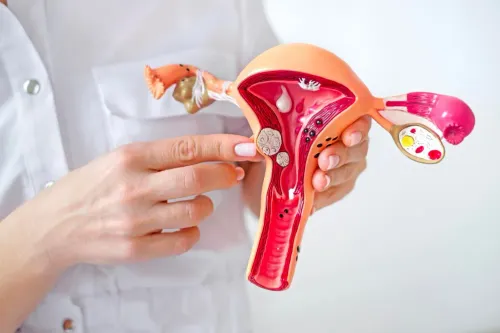
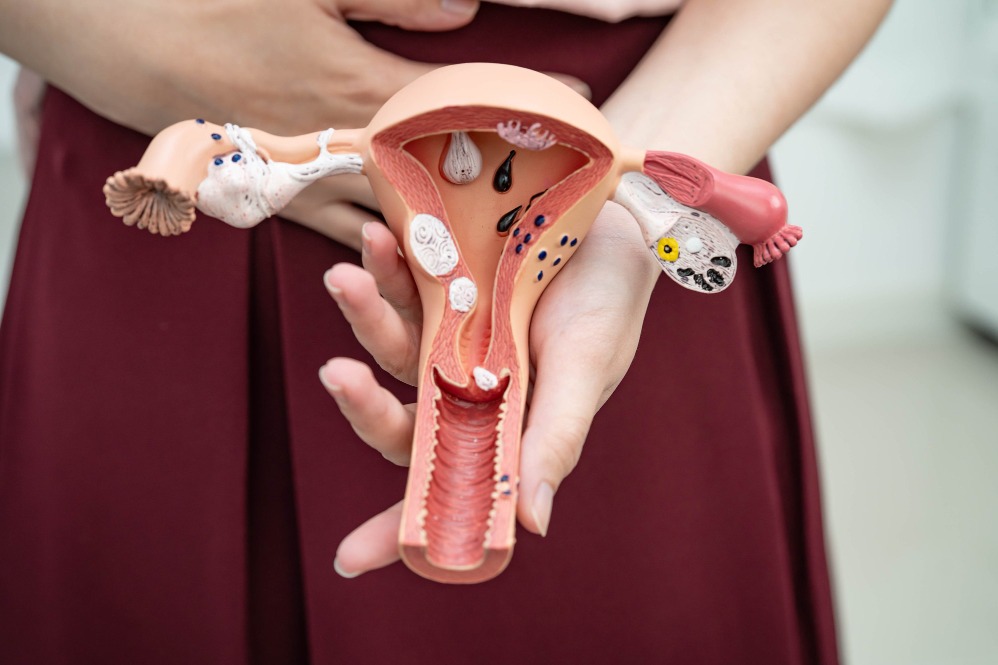
Fibroids and adenomyosis can contribute to excessive bleeding. Hormonal or ovulatory disturbances may cause irregular and sometimes heavy cycles. Polyps, thyroid problems, medications and bleeding disorders can also be relevant.
Pregnancy-related causes need consideration when abnormal bleeding occurs in someone who could be pregnant.
The appropriate evaluation also changes with age. New abnormal bleeding around perimenopause or after menopause deserves specific medical attention.
What Happens During Evaluation?
The doctor will usually ask about cycle length, duration of bleeding, clotting, pain, medications, pregnancy possibility and previous gynecological problems.
Blood tests may be recommended to look for anaemia and investigate other relevant factors. Pelvic ultrasound can help identify structural conditions such as fibroids.
Depending on age, symptoms and risk factors, additional evaluation of the uterine lining may sometimes be recommended.
Treatment Is Based on the Cause
Heavy menstrual bleeding does not automatically mean surgery.
Medication can be appropriate for many women, with the specific choice depending on the cause, medical history and whether contraception or future pregnancy is desired.
If a structural condition such as a fibroid or polyp is contributing significantly to bleeding, a procedure may be considered. The treatment should address the underlying problem while taking the woman's reproductive preferences into account.
When Is Bleeding More Urgent?
Very heavy ongoing bleeding accompanied by fainting, severe weakness, dizziness, breathlessness, severe pain or possible pregnancy requires prompt medical assessment.
Bleeding after menopause also needs medical evaluation even when the amount appears small.
Keep a Menstrual Record
Before an appointment, note the dates of periods, number of unusually heavy days, presence of clots, pain and any bleeding between periods.
This simple record helps describe the pattern more accurately.
For women across Thane, Maharashtra, Eva Bloom Clinic offers gynecological evaluation for menstrual concerns where the pattern of bleeding can be considered alongside examination and appropriate investigations.
Heavy periods are a symptom, not a diagnosis. Finding out whether the cause is hormonal, structural, medication-related or associated with another condition is the key step toward selecting sensible treatment and reducing the impact that persistent bleeding has on everyday life.
Keywords