Experiencing one miscarriage is emotionally difficult, but losing multiple pregnancies can be especially distressing for couples hoping to grow their family. While recurrent miscarriage may raise many questions, advances in reproductive medicine have made it possible to identify underlying causes in many cases. Seeking Recurrent Miscarriage Treatment in Thane allows couples to receive a detailed evaluation and develop a personalized care plan before attempting another pregnancy.
Importantly, recurrent miscarriage does not always mean that a successful pregnancy is out of reach. With proper diagnosis and management, many women go on to have healthy pregnancies.
What Is Recurrent Miscarriage?
Recurrent miscarriage generally refers to two or more consecutive pregnancy losses. Each case is unique, and a thorough medical evaluation is recommended to understand why the losses may have occurred.
Miscarriages can happen for various reasons, and in some cases, no single cause is identified. However, identifying treatable factors may improve future pregnancy outcomes.
Possible Causes of Recurrent Miscarriage
Several medical conditions may contribute to repeated pregnancy loss.
Common causes include:
- Chromosomal abnormalities
- Hormonal imbalances
- Thyroid disorders
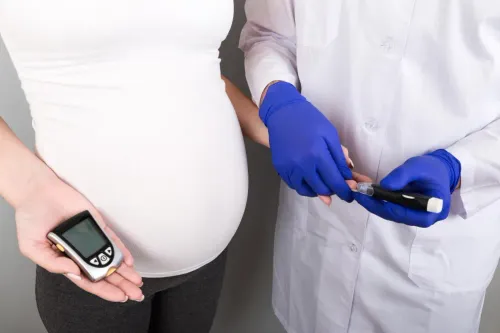
- Uncontrolled diabetes
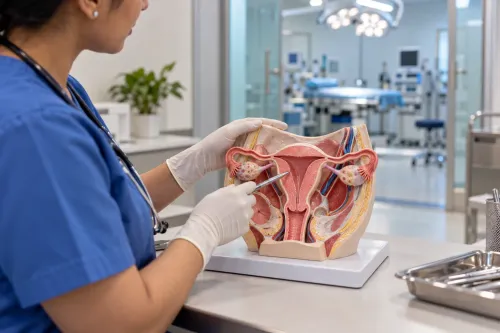
- Uterine abnormalities
- Fibroids or uterine septum
- Antiphospholipid syndrome
- Certain blood clotting disorders
- Polycystic ovary syndrome (PCOS)
- Advanced maternal age
Lifestyle factors such as smoking, excessive alcohol intake, or obesity may also influence pregnancy outcomes in some women.
How Is the Condition Evaluated?
A comprehensive assessment is important because treatment depends on the underlying cause.
Your gynecologist may recommend:
- Detailed medical history
- Review of previous pregnancies
- Blood investigations
- Hormonal profile
- Thyroid function tests
- Ultrasound examination
- Uterine cavity assessment
- Genetic testing when appropriate
In some situations, evaluation of the male partner may also be advised.
Treatment Depends on the Cause
There is no single treatment that works for every patient.
Management may include:
Hormonal Support
Women with hormonal deficiencies may benefit from carefully monitored treatment during early pregnancy.
Management of Medical Conditions
Controlling diabetes, thyroid disorders, hypertension, and autoimmune diseases supports a healthier pregnancy environment.
Surgical Correction
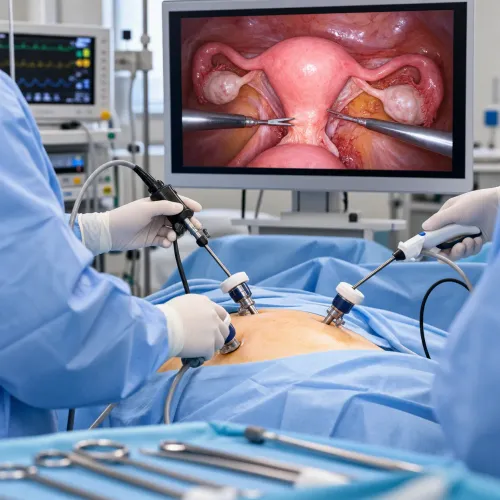
Certain uterine abnormalities, such as a septum or selected fibroids, may require surgical treatment before planning another pregnancy.
Lifestyle Modifications
Doctors may recommend:
- Maintaining a healthy weight
- Eating a balanced diet
- Taking folic acid supplements
- Avoiding smoking and alcohol
- Managing stress effectively
Small lifestyle improvements can positively influence overall reproductive health.
Emotional Well-Being Matters
Repeated pregnancy loss often affects emotional health as much as physical health.
Couples may experience:
- Anxiety
- Fear of another miscarriage
- Grief
- Depression
- Loss of confidence about future pregnancy
Seeking emotional support from healthcare professionals, counselors, and family members can be an important part of the recovery process.
Planning the Next Pregnancy
Before trying to conceive again, discuss the following with your doctor:
- Is my body ready for pregnancy?
- Have all investigations been completed?
- Should I begin any medications before conception?
- What precautions should I take during early pregnancy?
- How frequently will I need follow-up appointments?
Individualized planning helps reduce uncertainty and ensures closer monitoring from the earliest stages of pregnancy.
Why Early Pregnancy Monitoring Is Important
Women with a history of recurrent miscarriage are often advised to have earlier and more frequent antenatal visits.
Early monitoring may include:
- Confirmation ultrasound
- Hormonal assessment
- Fetal growth monitoring
- Regular clinical evaluations
Timely follow-up allows doctors to identify concerns early and provide appropriate medical care throughout the pregnancy.
Compassionate Care in Thane
Couples seeking fertility and pregnancy support in Thane, Maharashtra, often benefit from consulting specialists who understand both the medical and emotional aspects of recurrent pregnancy loss. At Eva Bloom Clinic, evaluation focuses on identifying possible causes, addressing modifiable risk factors, and providing individualized pregnancy planning with close monitoring throughout the journey.
Frequently Asked Questions
Does recurrent miscarriage always indicate infertility?
No. Many women with recurrent miscarriages are able to conceive naturally but require additional evaluation and pregnancy monitoring.
How soon should I seek medical advice?
It is advisable to consult a gynecologist after two consecutive pregnancy losses or sooner if you have other risk factors.
Can lifestyle changes help?
Healthy lifestyle habits may improve overall reproductive health, although treatment depends on the specific underlying cause.
Will every future pregnancy be high risk?
Not necessarily. The level of monitoring depends on the identified cause, medical history, and progress of the pregnancy.
Although recurrent miscarriage can be a challenging experience, advances in diagnosis and personalized care have improved outcomes for many couples. Early evaluation, appropriate treatment, and compassionate support can help families move forward with greater confidence and hope.
Keywords