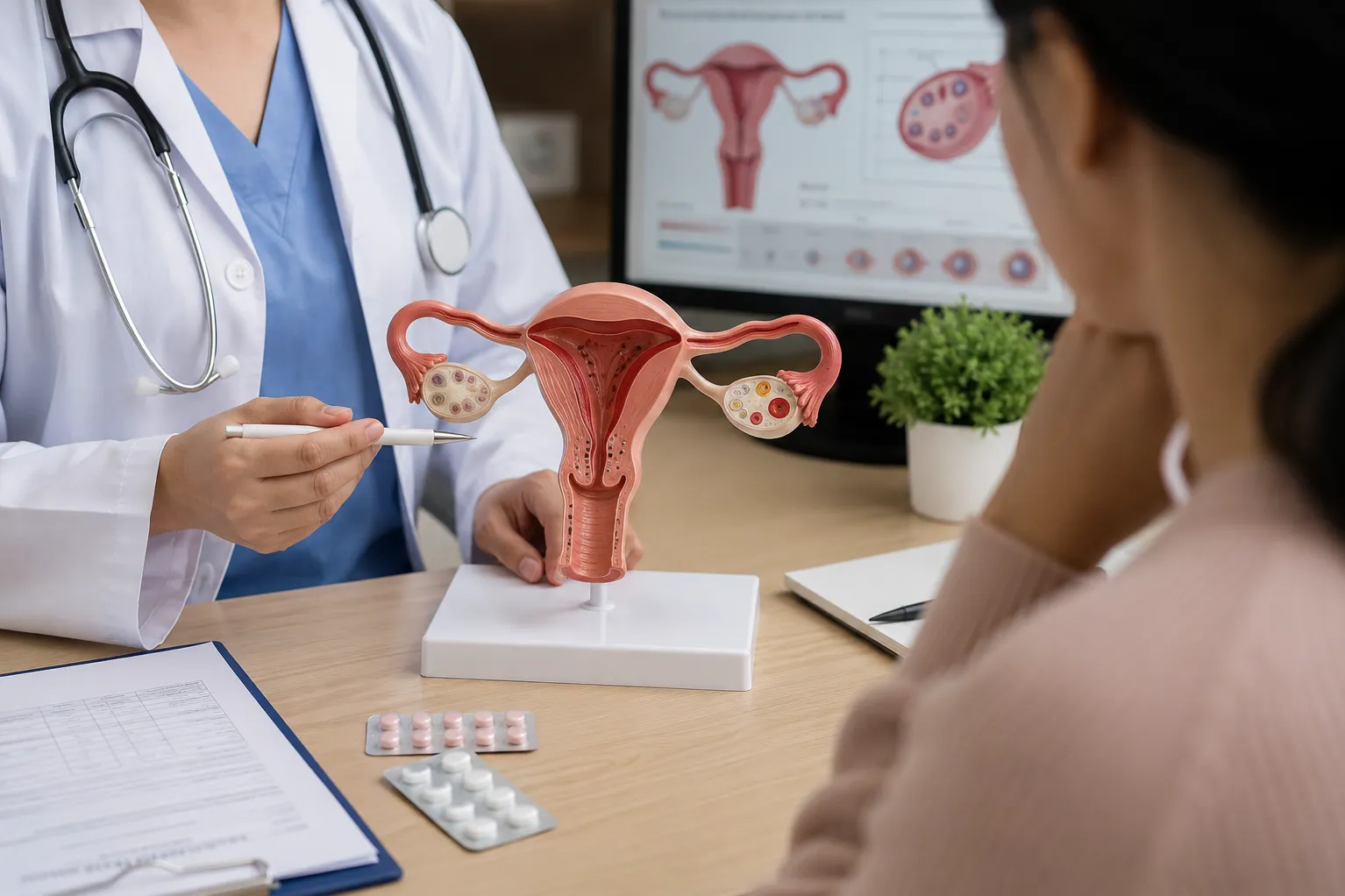
Hearing that your Anti-Müllerian Hormone (AMH) level is low can feel overwhelming, especially if you are planning to start a family. However, a low AMH value does not necessarily mean pregnancy is impossible. Understanding what the test measures and seeking timely medical advice can help you explore the most appropriate options. If you are considering Low AMH Treatment in Thane, knowing the facts can help you make informed decisions about your reproductive health.
What Is AMH?
AMH is a hormone produced by small follicles in the ovaries. It is commonly used to estimate ovarian reserve, which refers to the remaining number of eggs in the ovaries.
An AMH test helps doctors assess fertility potential but does not directly measure egg quality or predict whether pregnancy will occur naturally.
What Does Low AMH Mean?
A low AMH level generally indicates a reduced ovarian reserve. It does not necessarily mean that pregnancy cannot happen.
Many women with low AMH:
- Continue to ovulate regularly
- Conceive naturally
- Respond differently to fertility treatment
- Have healthy pregnancies with appropriate medical guidance
AMH is only one part of a complete fertility assessment.
Symptoms Associated with Low Ovarian Reserve
Low AMH itself usually does not cause symptoms.
However, some women may experience:
- Difficulty conceiving
- Irregular menstrual cycles
- Shorter menstrual cycles
- Age-related decline in fertility
Many women discover a low AMH level only after fertility evaluation.
What Causes Low AMH?
Several factors may contribute to reduced ovarian reserve.
Common causes include:
- Increasing age
- Previous ovarian surgery
- Endometriosis
- Certain genetic conditions
- Chemotherapy or radiation treatment
- Smoking
- Premature ovarian insufficiency
Your gynecologist may recommend additional investigations to understand the underlying cause.
How Is Low AMH Evaluated?
AMH is interpreted alongside other fertility assessments.
Your evaluation may include:
- Ultrasound scan for antral follicle count
- Hormonal profile
- Ovulation assessment
- Thyroid function tests
- Partner's semen analysis
- Medical and reproductive history
Looking at the complete picture helps doctors recommend appropriate treatment.
Treatment Options
Management depends on your age, fertility goals, and overall reproductive health.
Possible approaches include:
Lifestyle Optimisation
Healthy nutrition, regular exercise, adequate sleep, and avoiding smoking may support overall reproductive health.
Timed Natural Conception
Women with regular ovulation may be advised to try natural conception for a suitable period depending on age and other fertility factors.
Ovulation Monitoring
Tracking ovulation helps identify the most fertile days during the menstrual cycle.
Fertility Treatment
When indicated, options may include:
- Ovulation induction
- Intrauterine insemination (IUI)
- In vitro fertilization (IVF)
The recommended approach varies for every patient.
Why Early Consultation Matters
Ovarian reserve naturally declines with age. Women planning pregnancy should avoid delaying evaluation if they:
- Are above 35 years
- Have irregular periods
- Have known endometriosis
- Have undergone ovarian surgery
- Have been trying to conceive without success
Early assessment provides more treatment options and helps with future family planning.
Emotional Support During Fertility Care
Learning about fertility concerns can be emotionally challenging.
Many women benefit from:
- Honest medical counselling
- Realistic treatment expectations
- Partner involvement
- Stress management techniques
- Ongoing follow-up with their healthcare provider
Understanding available options often reduces anxiety and supports informed decision-making.
Fertility Care in Thane
Women seeking fertility evaluation in Thane, Maharashtra, often benefit from consulting specialists who offer comprehensive reproductive assessments rather than relying on a single laboratory value. At Eva Bloom Clinic, fertility consultations are tailored to each woman's medical history, age, ovarian reserve, and pregnancy goals to develop an individualized care plan.
Frequently Asked Questions
Can I conceive naturally with low AMH?
Yes. Many women with low AMH conceive naturally, depending on age and other fertility factors.
Does low AMH mean poor egg quality?
Not necessarily. AMH mainly reflects egg quantity rather than quality.
Should AMH be repeated?
Your doctor will decide if repeat testing is necessary based on your clinical situation.
Is IVF always required?
No. Treatment depends on your overall fertility evaluation, age, and how long you have been trying to conceive.
A low AMH result should be viewed as an opportunity for timely planning rather than a final diagnosis. With a complete fertility assessment and appropriate medical guidance, many women can explore suitable pathways toward achieving pregnancy.
Keywords