Advancements in medical technology have transformed the way many gynecological conditions are treated. Today, laparoscopic surgery allows doctors to diagnose and manage several disorders through small incisions, helping many women recover faster compared to traditional open surgery. If you are searching for a Laparoscopic Gynecologist in Thane, understanding when minimally invasive surgery is recommended can help you make informed healthcare decisions.
Not every gynecological condition requires surgery, but when an operation becomes necessary, laparoscopic techniques are often considered because of their precision and shorter recovery period.
What Is Laparoscopic Gynecological Surgery?
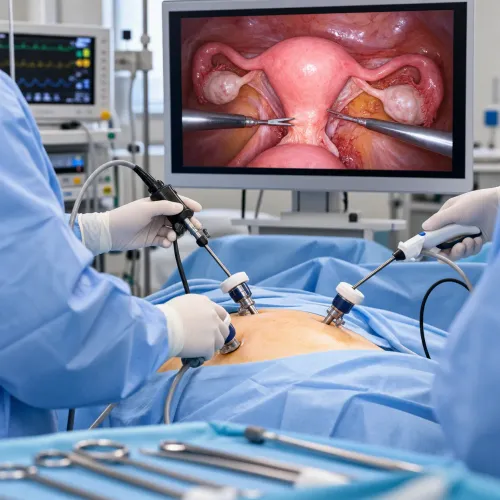
Laparoscopic surgery is a minimally invasive procedure performed using a thin camera called a laparoscope and specialized surgical instruments inserted through small incisions in the abdomen.
The camera provides a magnified view of the pelvic organs, allowing the surgeon to perform complex procedures with greater accuracy.
Depending on the medical condition, laparoscopic surgery may be used for diagnosis, treatment, or both.
Conditions Commonly Treated with Laparoscopy
A laparoscopic gynecologist may recommend this approach for various conditions, including:
- Ovarian cysts
- Endometriosis
- Uterine fibroids
- Ectopic pregnancy
- Pelvic adhesions
- Chronic pelvic pain
- Infertility evaluation in selected cases
- Certain hysterectomy procedures
The suitability of laparoscopic surgery depends on the patient's medical history, examination findings, and imaging results.
Benefits of Laparoscopic Surgery
Compared with conventional open surgery, laparoscopy may offer several advantages for appropriate candidates.
Smaller Incisions
Small surgical cuts generally result in less tissue trauma and smaller scars.
Faster Recovery
Many women are able to resume their normal daily activities sooner, depending on the procedure performed.
Reduced Hospital Stay
Some laparoscopic procedures require only a short hospital stay, while selected surgeries may even be performed as day-care procedures.
Less Postoperative Pain
Smaller incisions often contribute to reduced discomfort during recovery.
Improved Surgical Precision
The magnified view helps surgeons visualize pelvic structures more clearly during surgery.
When Is Laparoscopic Surgery Recommended?
Your gynecologist may suggest laparoscopy when:
- Medicines have not relieved symptoms.
- Imaging indicates a condition requiring surgery.
- A definitive diagnosis is needed.
- Fertility-related conditions need evaluation.
- Persistent pelvic pain requires further assessment.
A complete clinical evaluation helps determine whether laparoscopy is the most suitable treatment option.
Preparing for the Procedure
Before surgery, your doctor may advise:
- Blood investigations
- Ultrasound or MRI, if necessary
- Medical fitness assessment
- Medication review
- Fasting before surgery
- Discussion about anesthesia and recovery
Understanding the procedure beforehand helps reduce anxiety and ensures informed decision-making.
Recovery After Laparoscopic Surgery
Recovery varies depending on the type of surgery performed.
Most women are encouraged to:
- Walk soon after surgery
- Stay hydrated
- Follow prescribed medications
- Avoid strenuous physical activity for a recommended period
- Attend follow-up appointments
Your doctor will provide individualized guidance based on your procedure and overall health.
Questions to Ask Your Gynecologist
If laparoscopic surgery has been recommended, consider asking:
- Why is laparoscopy suitable for my condition?
- Are there non-surgical alternatives?
- How long will recovery take?
- When can I return to work?
- Will the procedure affect future pregnancy plans?
These discussions help you understand the benefits, risks, and expected outcomes.
Choosing a Laparoscopic Gynecologist in Thane
Selecting an experienced specialist is important because laparoscopic procedures require advanced surgical expertise. Women in Thane, Maharashtra, often seek gynecologists who have experience managing a wide range of minimally invasive procedures while providing comprehensive care before and after surgery. At Eva Bloom Clinic, patients receive individualized evaluations to determine whether laparoscopic treatment is the most appropriate option for their condition and long-term reproductive health.
Frequently Asked Questions
Is laparoscopic surgery safe?
Like any surgical procedure, laparoscopy carries certain risks. However, it is widely considered a safe and effective option when performed for appropriate indications by an experienced surgeon.
Will I have visible scars?
The incisions are usually small, resulting in minimal scarring.
Can all gynecological conditions be treated laparoscopically?
No. The decision depends on the nature of the condition, its severity, and the patient's overall health.
How soon can I resume normal activities?
Recovery varies by procedure, but many women return to routine activities sooner than they would after open surgery.
Minimally invasive surgery has significantly improved the management of many gynecological conditions. With proper evaluation and expert guidance, women can explore treatment options that support faster recovery while maintaining long-term reproductive and overall health.
Keywords