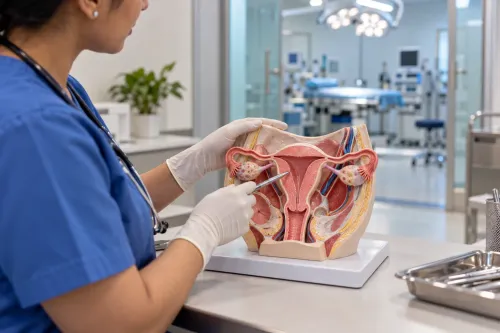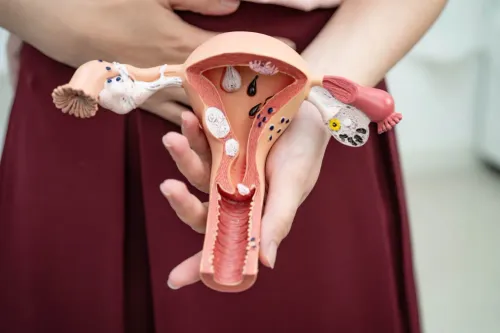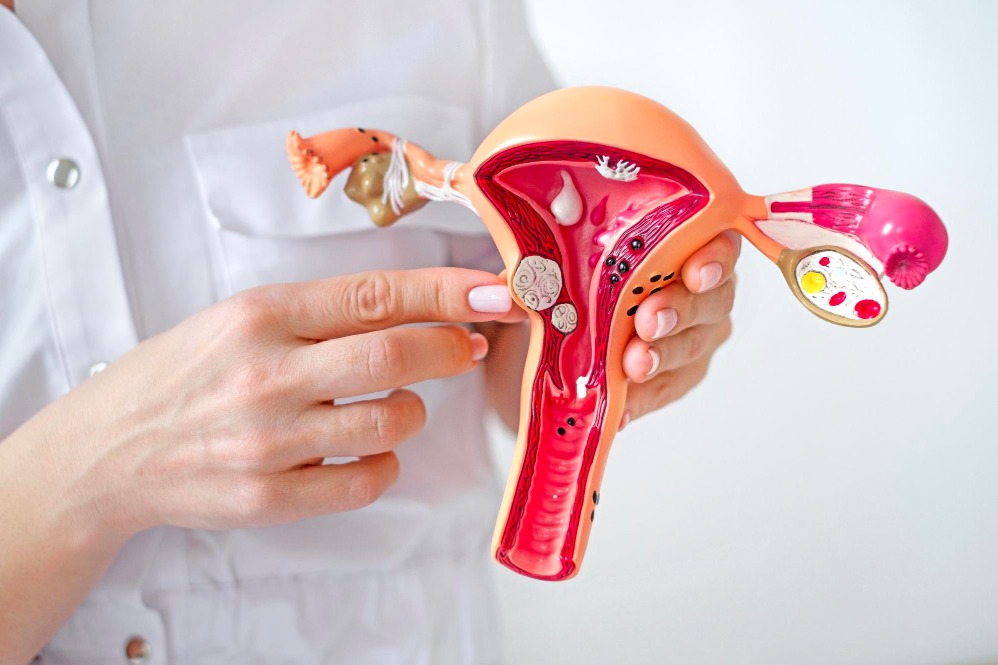
Uterine fibroids are non-cancerous growths arising from the muscular tissue of the uterus. Some women discover them accidentally during an ultrasound and experience no problems. Others develop heavy periods, pelvic pressure, pain, fertility concerns or symptoms significant enough to affect everyday life.
Choosing Fibroids Treatment in Thane should therefore begin with the symptoms and characteristics of the fibroids rather than their presence alone.
When Fibroids May Not Need Immediate Treatment
A fibroid does not automatically require surgery.
If fibroids are small, are not producing troublesome symptoms and do not raise other clinical concerns, monitoring may be reasonable. Periodic assessment allows the gynecologist to review symptoms and determine whether further imaging is needed.
Treatment becomes more relevant when symptoms interfere with health, fertility or quality of life.
Symptoms That Can Influence the Decision
Fibroids may cause different problems depending on their size and position. These can include:
- Heavy or prolonged menstrual bleeding
- Anaemia related to blood loss
- Pelvic heaviness or pressure
- Abdominal enlargement
- Frequent urination
- Constipation in some cases
- Pain or discomfort
- Reproductive concerns in selected cases
Location is particularly important. A fibroid affecting the uterine cavity may have different implications from one growing toward the outer surface of the uterus.
Medical Management
For some women, medicines can help manage symptoms such as heavy menstrual bleeding or pain.
Medical treatment does not necessarily eliminate the fibroid itself. Its role may be symptom control, temporary management or preparation for another treatment depending on the patient's situation.
Age, severity of bleeding, pregnancy plans and medical history all influence which medicines can be considered.
When Surgery Enters the Discussion
Surgery may be considered when symptoms are significant, medical management is unsuitable or ineffective, or the size and position of fibroids create specific concerns.
The two terms patients commonly encounter are myomectomy and hysterectomy.
A myomectomy removes fibroids while retaining the uterus. It may be considered for selected women, particularly where preserving the uterus is important.
A hysterectomy removes the uterus and is a definitive treatment for uterine fibroids, but it also permanently ends the ability to carry a pregnancy. It is therefore a substantially different decision.
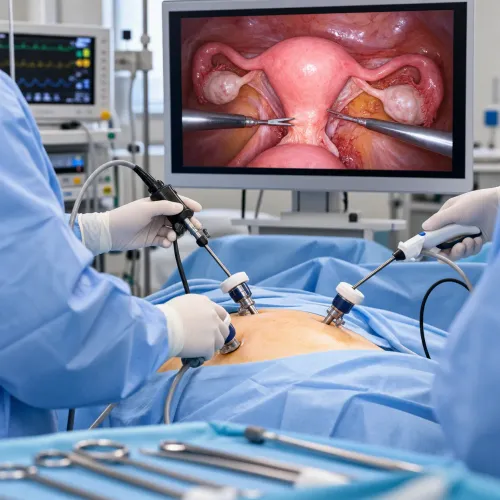
Depending on the fibroid and patient, surgery may be performed through hysteroscopic, laparoscopic or open techniques.
Questions to Ask Before Choosing Treatment
Before making a decision, it can help to ask:
- Are the fibroids actually responsible for my symptoms?
- Where are they located?
- Do I currently need treatment?
- Can my symptoms be managed without surgery?
- Do I want future pregnancy?
- If surgery is recommended, why is that particular procedure suitable?
- What recovery should I expect?
These questions turn a broad diagnosis into a more individual treatment discussion.
Women seeking fibroid care in Thane and other parts of Maharashtra should also mention fertility plans early in the consultation because they can materially affect treatment selection.
At Eva Bloom Clinic, fibroid assessment can consider menstrual symptoms, imaging findings, age and reproductive goals before management options are discussed.
There is no single 'best' fibroid treatment for every woman. For one patient, monitoring may be sufficient. For another, controlling heavy bleeding may be the immediate priority. For someone with substantial symptoms or particular fibroid characteristics, surgery may become appropriate. A treatment plan makes more sense when it addresses the woman's actual problem rather than treating an ultrasound finding in isolation.
Keywords