Persistent pelvic pain, painful periods, or difficulty conceiving are symptoms that many women silently live with for years. In some cases, these symptoms may be linked to endometriosis, a condition where tissue similar to the lining of the uterus grows outside the uterus. Seeking Endometriosis Treatment in Thane can help with timely diagnosis, symptom management, and long-term care tailored to individual needs.
Endometriosis affects women differently. Some experience severe pain that interferes with daily life, while others may only discover the condition during fertility investigations. Early evaluation can help prevent unnecessary delays in treatment and improve overall well-being.
What Is Endometriosis?
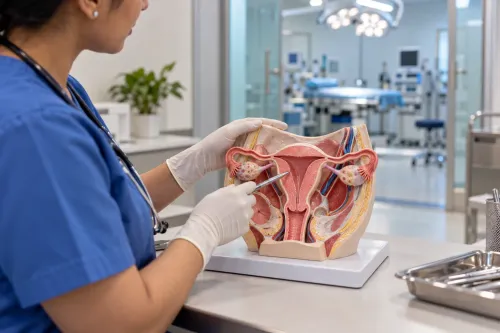
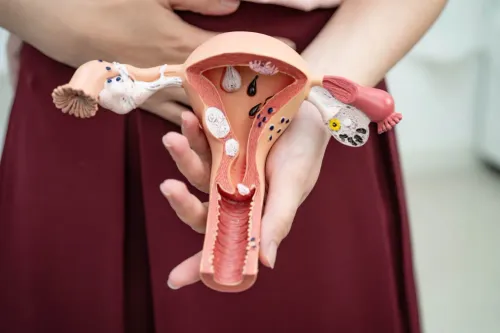
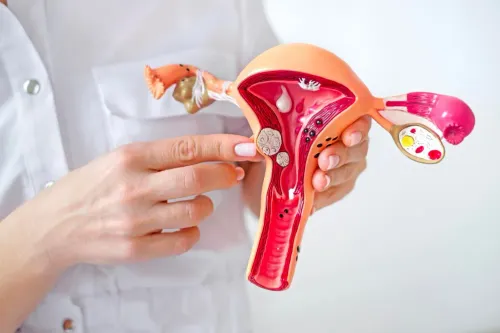
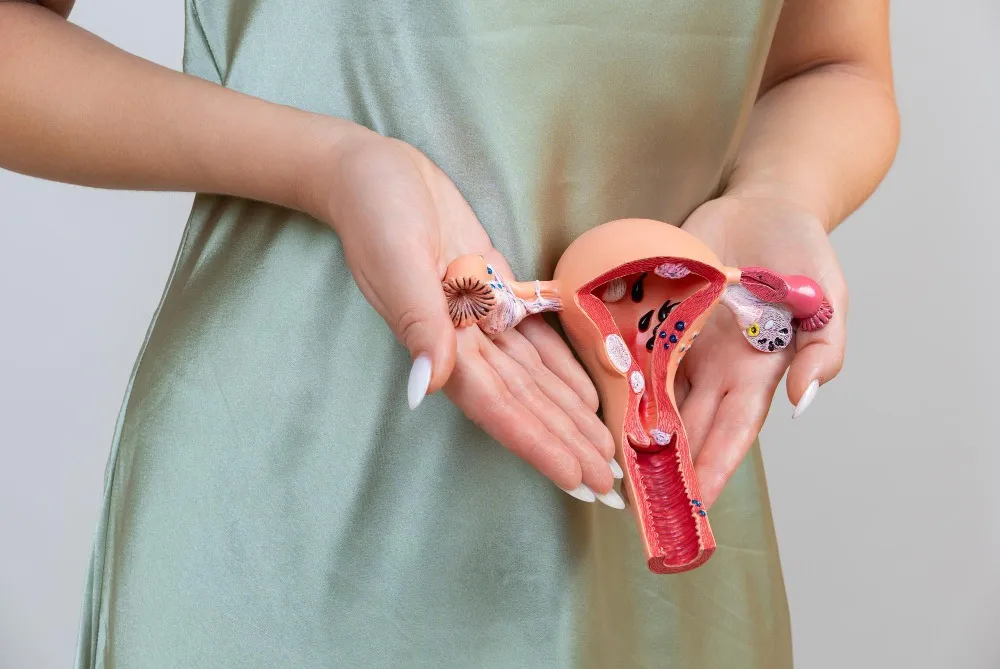
Endometriosis occurs when tissue resembling the uterine lining develops on organs such as the ovaries, fallopian tubes, pelvic lining, or surrounding tissues. Like the uterine lining, this tissue responds to hormonal changes during the menstrual cycle, which may lead to inflammation, scarring, and pain.
The severity of symptoms does not always match the extent of the condition. Some women with mild disease may experience significant discomfort, while others with advanced endometriosis may have few symptoms.
Common Symptoms to Watch For
Symptoms vary from person to person, but commonly include:
- Severe menstrual cramps
- Chronic pelvic pain
- Pain during or after intercourse
- Pain while passing urine or stools during menstruation
- Heavy menstrual bleeding
- Fatigue during periods
- Difficulty conceiving
These symptoms may overlap with other gynecological conditions, making proper medical evaluation essential.
How Is Endometriosis Diagnosed?
Diagnosis begins with a detailed discussion of your symptoms and medical history.
Your gynecologist may recommend:
- Pelvic examination
- Ultrasound scan
- MRI in selected cases
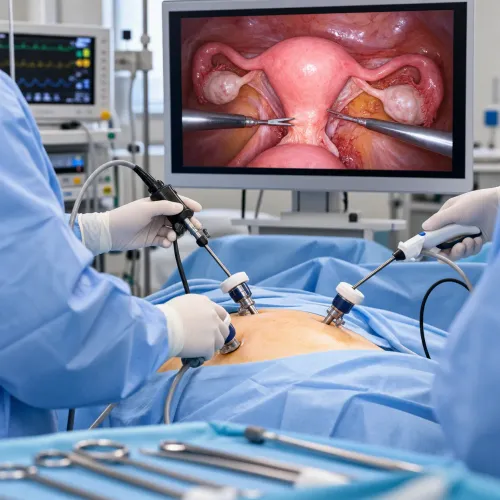
- Diagnostic laparoscopy when necessary
Laparoscopy remains one of the most reliable methods to confirm endometriosis and assess its severity.
Treatment Depends on Individual Needs
Treatment is planned based on:
- Age
- Symptom severity
- Extent of disease
- Future pregnancy plans
- Overall health
There is no single treatment suitable for every patient.
Medical Management
For many women, medicines help reduce pain and control symptoms. Hormonal therapy may also be considered depending on the clinical situation.
Laparoscopic Surgery
When symptoms persist despite medication or fertility is affected, laparoscopic surgery may be recommended to remove endometriotic tissue while preserving healthy reproductive organs whenever possible.
Fertility Support
Women trying to conceive may require individualized fertility planning depending on the location and severity of endometriosis.
Everyday Tips for Managing Symptoms
While medical treatment remains important, certain lifestyle measures may also support symptom management.
These include:
- Maintaining regular physical activity
- Following a balanced diet
- Getting adequate sleep
- Managing stress
- Keeping follow-up appointments
- Tracking menstrual symptoms
A symptom diary can help your doctor evaluate treatment effectiveness over time.
When Should You Consult a Gynecologist?
Do not ignore persistent pelvic pain or unusually painful periods.
Seek medical advice if you experience:
- Menstrual pain affecting daily activities
- Pelvic pain lasting beyond menstruation
- Pain during intercourse
- Difficulty becoming pregnant
- Heavy menstrual bleeding
- Recurrent ovarian cysts
Early diagnosis often helps prevent progression and supports better long-term outcomes.
Long-Term Outlook
Endometriosis is usually a chronic condition that requires ongoing monitoring.
With appropriate treatment, many women are able to:
- Control pain effectively
- Continue normal daily activities
- Preserve fertility where possible
- Improve quality of life
- Reduce recurrence through regular follow-up
Management plans may be adjusted over time depending on symptoms and life stages.
Personalized Endometriosis Care in Thane
Women in Thane, Maharashtra, benefit from consulting specialists who understand the complexity of endometriosis and its impact on both physical and emotional health. At Eva Bloom Clinic, treatment plans are tailored to individual symptoms, fertility goals, and long-term reproductive health, ensuring that every patient receives comprehensive and compassionate care.
Frequently Asked Questions
Can endometriosis disappear on its own?
Symptoms may change over time, but endometriosis generally requires medical evaluation and appropriate management.
Is surgery necessary for everyone?
No. Many women respond well to medication, while surgery is recommended only when clinically indicated.
Can endometriosis cause infertility?
It may affect fertility in some women, but many with endometriosis conceive naturally or with fertility support when needed.
Can the condition return after treatment?
Recurrence is possible in some cases, making regular follow-up important for long-term management.
Recognizing the symptoms early and seeking timely medical advice can make a significant difference in managing endometriosis. With individualized treatment and ongoing care, many women lead active, healthy, and fulfilling lives.
Keywords